This week we hear once again from artist Gill Crawshaw, who has been delving into the Central Library archives to uncover the hidden history of disability and West Yorkshire’s textile heritage. The article is published to mark the start of UK Disability History Month, which begins on November 18.
An exciting exhibition of new artwork is on at the moment, that wouldn’t have been possible without the resources available in Leeds Libraries. Any work that wanted doing opened in September at Leeds Industrial Museum at Armley Mills, and will continue until early 2024. It’s part of Leeds 2023 Year of Culture, with funding from the National Lottery Heritage Fund. This support meant that I was able to commission several local disabled artists to respond to research I’ve been doing into disabled mill workers, from the Industrial Revolution onwards.
These hidden histories are important because they can help us to think differently about disabled people’s role in society – today and in the past – not as dependent or scroungers, but as active contributors to their communities. Disabled people were not bystanders, but played their part in Yorkshire’s leading industry: textile production.
Both the research and the exhibition therefore aim to challenge persistent and harmful stereotypes of disabled people. They acknowledge the contributions that disabled people have made, and continue to make, to our history and culture.
I’ve written about my research on this blog previously. I felt that the topic would really benefit from some creativity and imagination to make it relevant and engaging and to bring fresh viewpoints and energy.
The exhibition features art by Janet Alexander, Charlotte Cullen, Michelle Duxbury, Sandy Holden, Becky Moore and Becky Cherriman, Ria, Maryanne Royle, Robin Tynan. They responded through a range of media: sculpture, textiles, painting, sound and film. Their artworks are complex and full of meaning, appealing and perhaps surprising.

But it all started with the research in the library, particularly Local Studies in Leeds Central Library.
William Dodd’s 1840 autobiography, important because it’s an account in a disabled factory worker’s own words, can be found in the library’s collection. Dodd was a significant figure in the factory reform movement and his book was a bestseller at the time.
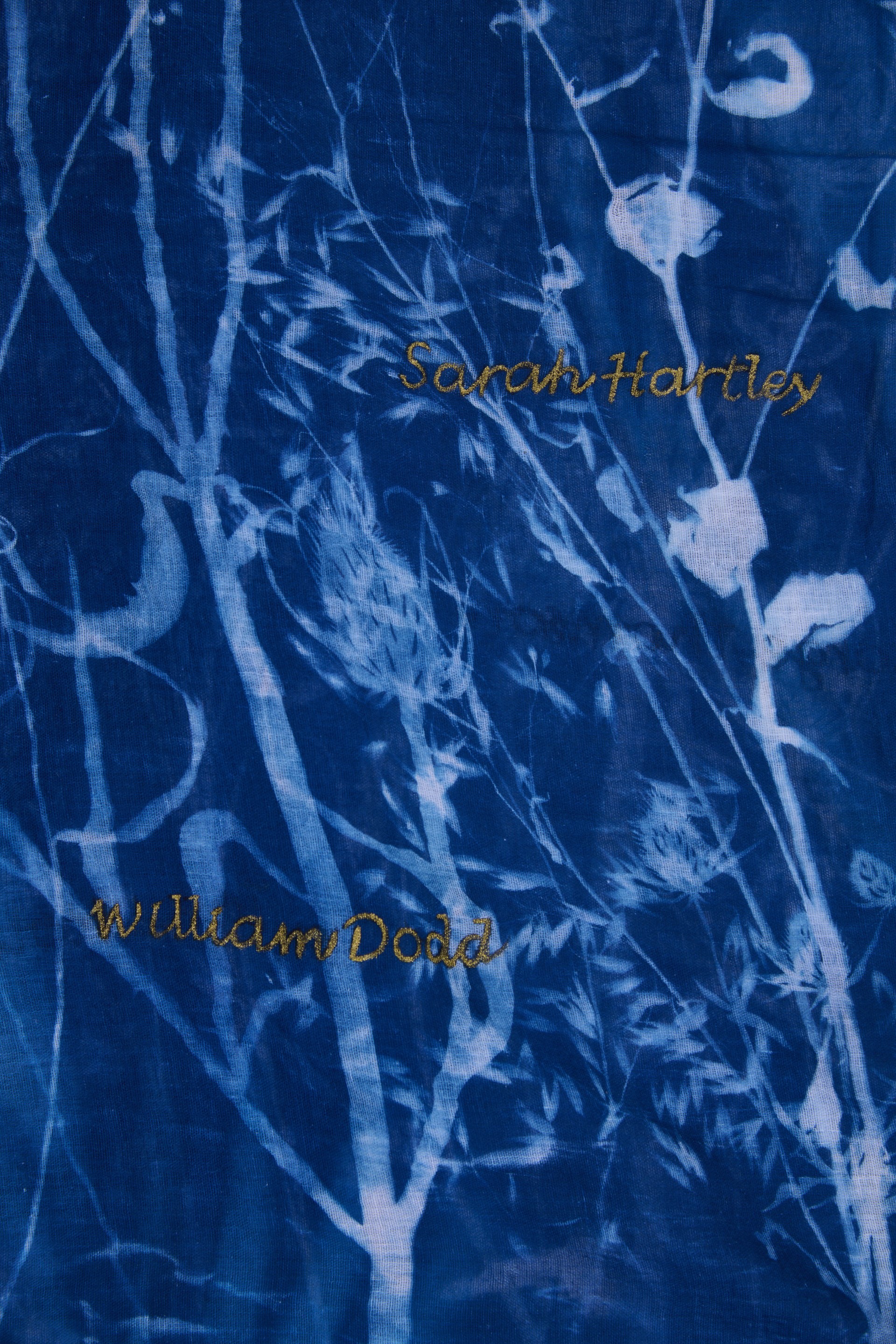
A few years later, the Yorkshire Institution for the Deaf and Dumb, as it was called, published the first of their ‘Results of an Inquiry’ reports. These pulled together survey results about ex-pupils of the school, to show that they were useful members of society thanks to the education they’d received. Many had taken up jobs in the textile industry.
For the exhibition, theatre professional Janet Alexander, working with actor Katie Redstar, created a film inspired by the life of Sarah Hartley, one of the former pupils of the Institution. Sarah was a bobbin winder, then a stuff (worsted) weaver in a mill in south Leeds. The film covers issues around child labour as well as how Deaf workers might have been treated in the 1800s.

Maps of old Leeds are available in the Local and Family History Library, where you can spread them out and work out how the city has changed. These maps helped me to pinpoint where Sarah Hartley and other mill workers lived, although many of those yards and streets were demolished years ago.

In the Information and Research Library* I was able to study the Factories Inquiry Commission reports of 1833, where disabled textile workers gave evidence. These were a key source of information. In fact, the title of the exhibition is taken from the testimony of John Dawson, one of the disabled workers who spoke up:
“I was set to spinning and doing jobs; any work that wanted doing.”
The commissions and campaigns for better conditions led to legislation limiting the number of hours children could work, and brought in factory inspections. Many of the Factories Acts are also available to refer to in the library.
Finally, free access to censuses and other records through the Ancestry database, available to library members in local branches, enabled me to continue my research closer to home. Knowing the names and approximate ages of pupils at the Yorkshire Deaf Institution, and of people who gave evidence to parliamentary commissions, meant that I could trace many of their lives and careers, gathering further evidence that disabled people indeed worked in mills.
I hoped that this research would resonate with disabled artists, and it certainly has – their artworks have really brought it to life. They have made connections between the past and the situation of disabled people today, informed by their own experiences and those of other disabled people. This project shows the value of research, the richness and variety of library resources, and how hidden stories can be enhanced with creativity.
Any work that wanted doing is at Leeds Industrial Museum until January 2024. For more information, go to https://anywork.org.uk/
*now located in the same 2nd floor room of the Central Library as the Local and Family History department
 The Secret Library | Leeds Libraries Heritage Blog