Today we are rejoicing in Local and Family History because the 1921 census is available on Ancestry! Regular readers will know that you can use Ancestry for free at any Leeds Library as part of our digital offering. Here’s some reasons why you should be excited about the 1921 census too.
It reflects changes in society!
For the first time, marital status can be represented with a D for divorce. Another, rather harder aspect though is the recording of under 15s who have lost one or both parents. This was meant to record the situation of many children born during and immediately after WW1 who might have lost a parent to the conflict.
It’s your ancestor’s actual handwriting!
Like the 1911 census, the 1921 census documents have retained the actual, original returns completed by the householder. This means that we are not relying on an enumerator trying to figure out exactly what that obscure job title means – your ancestor knew very well what they did.
It has work addresses on it!
Want to map where your ancestors worked and how they got there? Now you can, using their home address and their work address. The inclusion of the name of their employer may also help you find your way to other records that will shed more light on lives gone by. This is an improvement on the question asked on the 1911 census which was interested solely in whether people worked in or out of the home.

It’s the first census to investigate school attendance!
Not in a truant officer kind of way though. The 1918 Education Act raised the school leaving age from 12 to 14 and enforced compulsory education for 5-14 year olds. It also abolished fees for state elementary schools and made schools responsible for a lot of what would later be the remit of the NHS like medical assessments. This question on the census would help the government to plan how it was going to deliver all those things.

It includes military ancestors!
Previous census operations have been a bit hit and miss for serving military ancestors. If they were on a UK base you can probably find them, but if they were overseas, or on a ship it can be a bit tricky. A special form for the 1921 census was meant to capture all serving personnel on land, at sea and all over the world.

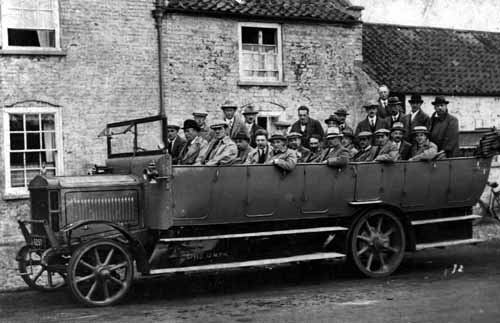
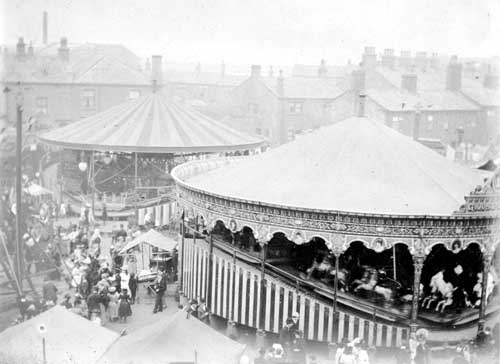
You might find out your ancestor’s favourite holiday spot!
It was supposed to be taken in March, but possible industrial action delayed it until 19th June. Some families may have been on their holidays by then, so your ancestors might not be at their home address.
There won’t be a new census available until 2052!
The 1931 was destroyed in an air raid during WW2, and we were a bit too busy to take one in 1941. What with the 100 year embargo, the next one won’t be available until 2052! This might be a headache for future family historians as many of the generational links just won’t exist between 1921 and 1951.
Although the 1921 census has been available to FindMyPast subscribers since January 2022, they had an exclusivity deal on the data until now. This is because the National Archives no longer has the budget to perform the transcription project, they tender it out instead. Here’s a video from FindMyPast about the process which helps to illustrate the scale of the job:
If you want to learn more about the history of the UK census we have a great book in stock for you to borrow:

There is also an excellent research guide from the National Archives here that explains the differences between the different versions of the census and how to understand the ways it is referenced.
Census records – The National Archives
To help you get the most out of Ancestry you can use our online learning platform for an introduction to how it works and a fun quiz that will send you on some missions to find information.
Or why not book a place on our free Family History for Beginners Workshop? These run monthly at Central Library and are very popular.
Leeds Libraries event tickets from TicketSource.
Have you found something amazing on the 1921 census? We’d love to hear about it! Share your comments below.
Get in touch with us on 0113 37 86982 or via localandfamilyhistory@leeds.gov.uk to learn more about accessing the 1921 census through Leeds Libraries.
 The Secret Library | Leeds Libraries Heritage Blog