This week on the Secret Library Leeds blog we hear from a group of students who have been working on a project connected to Leodis, our online photographic archive.
As third-year BA (Hons) Photography students at Leeds Arts University, we were invited to explore the Leodis photographic archive at Leeds Central Library and given a brief to identify a theme or subject represented by pictures within the archive that we would like to explore further. The images we each selected were then used as stimuli for creative projects as diverse as the documentation of ‘ghost’ signs; an exploration of the female form in reference to sculpture; and a comparative visual analysis of the landscape in the context of an opencast coal mine in West Yorkshire.
Six of us went on to show our work in the Local and Family History Library, where we were given the freedom to design an exhibition that made use of the unusual attributes of the space. This presented a challenge to us, as the space bears little resemblance to the conventional gallery environments we’d grown accustomed to over the past few years. Unlike the familiar white walls of the studio or exhibition spaces in which we’d previously shown work—designed to neutralise their surroundings and place full emphasis on the art—the library is defined by its permanent fixtures: rows of bookshelves, informational displays, and reference desks. Rather than a blank canvas, it is a lived-in, historically resonant environment, requiring us to reconsider how our work might occupy space, negotiate context, and remain visible without disrupting the library’s primary function as an archival and research resource used by the general public.
We had a few ideas that involved hanging large-format prints from the balcony above, but health and safety considerations—as well as the potential cost of prints—checked our enthusiasm for this approach. Instead, we decided to make full use of the large glass cabinet bookshelves at the far end of the room, with Daniel suggesting we use the weight of the books to secure prints mounted on perspex to the bookshelves. When it became apparent that we needed to avoid preventing access to the books behind, we settled on a compromise where we’d print onto long sheets of a robust paper stock, folded at the edge of the bookshelf. The prints would hang below each shelf and could be lifted, to allow access to the books behind. To ensure the paper wouldn’t curl, we also took the additional step of spray mounting sections of 5mm foamboard to the prints.
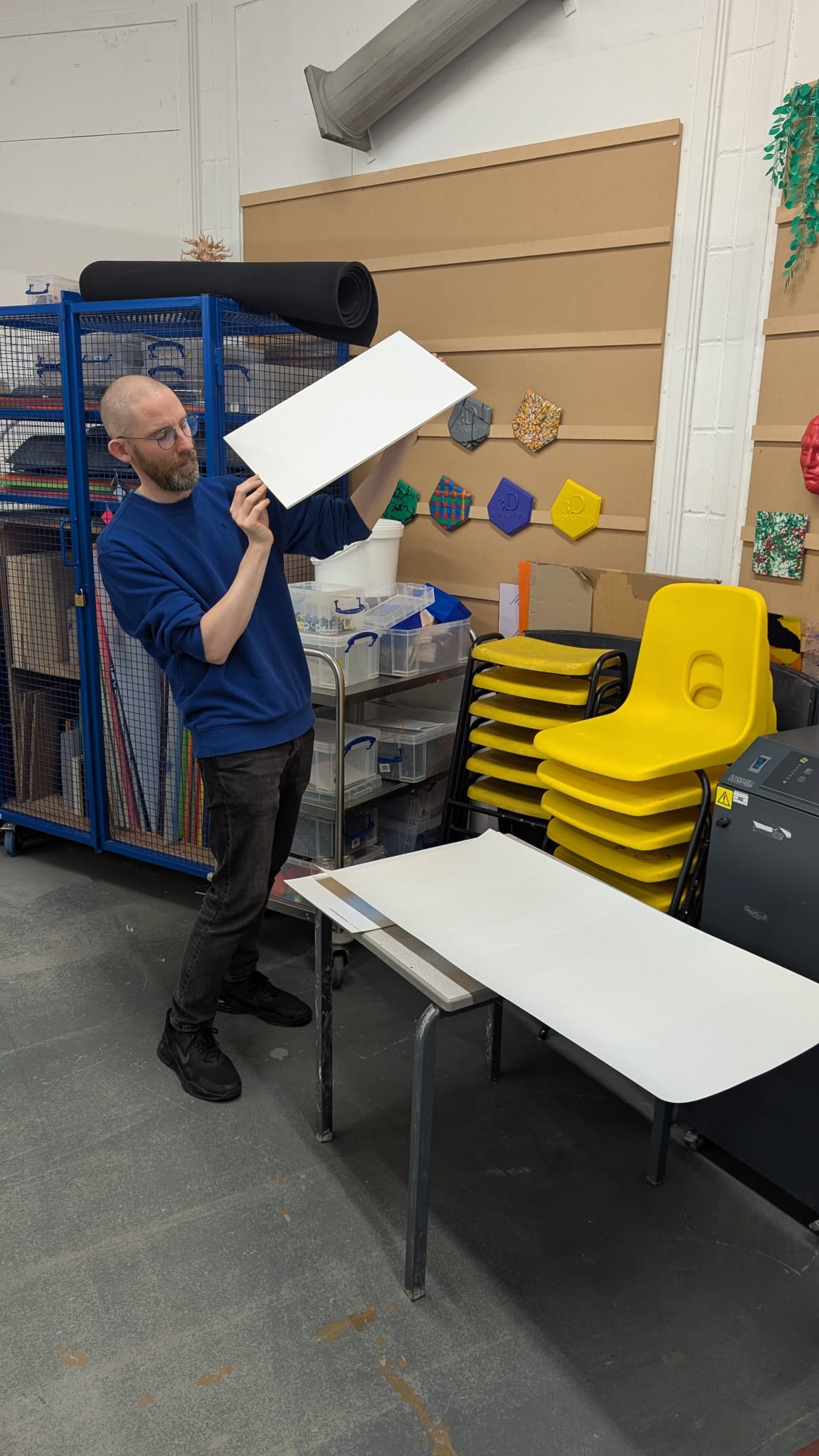
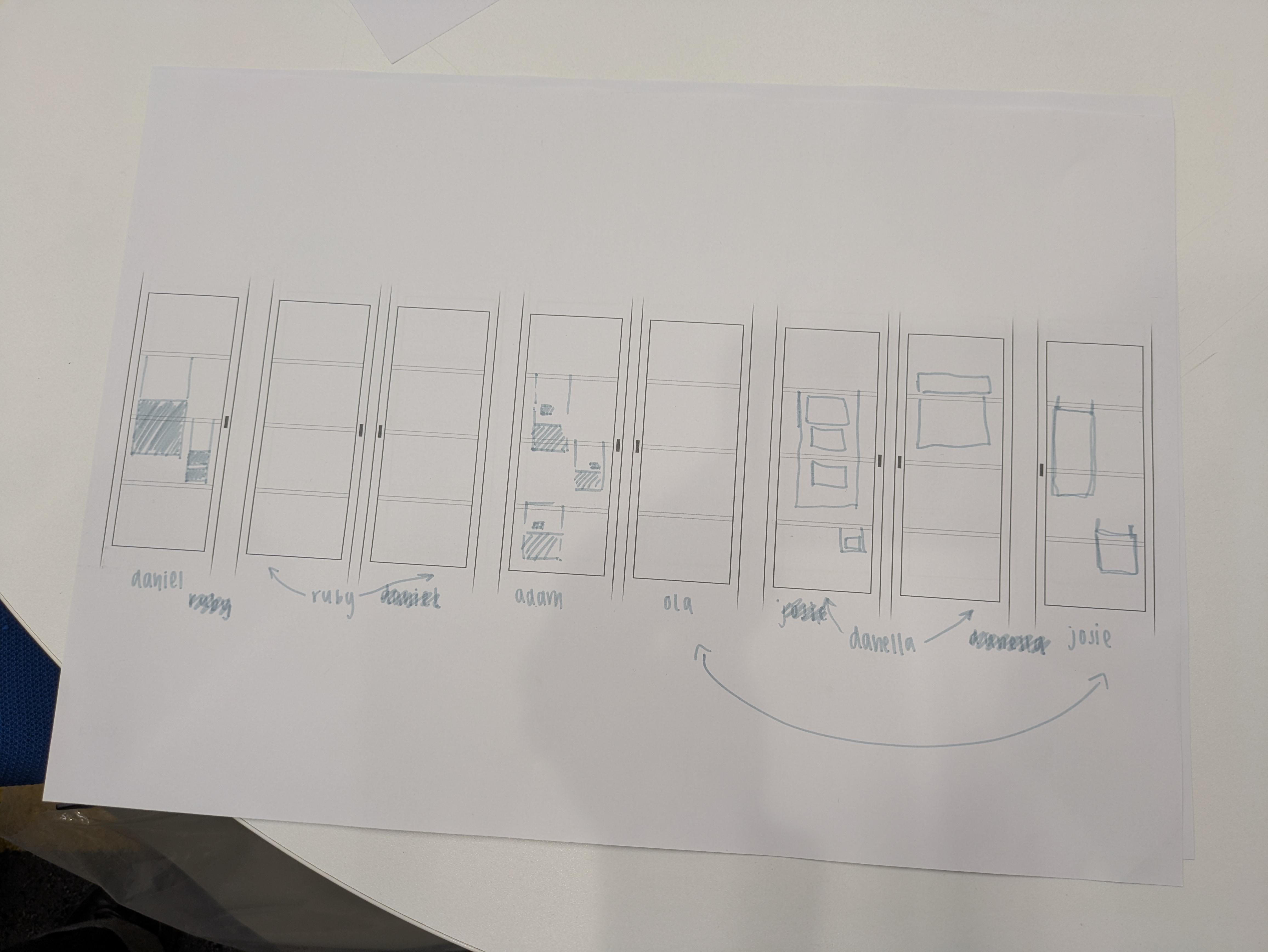
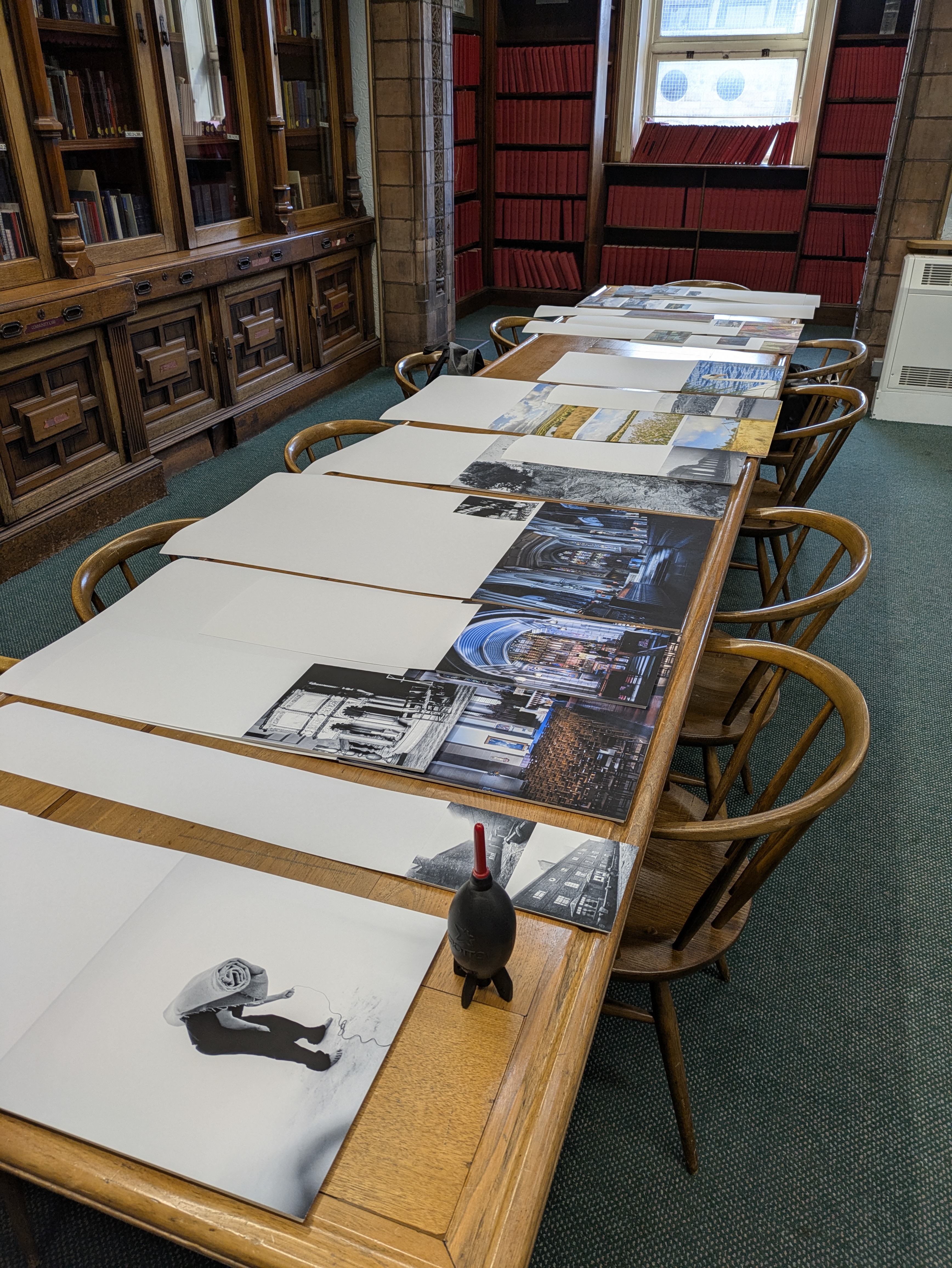
Designing the layout of the prints was a collaborative process and proved difficult, owing to the aesthetic and thematic differences that characterised our work. Each project had emerged from a distinct engagement with the archive and carried its own visual language, subject matter, and conceptual framing. We knew we could rely to some extent on the consistent presentation style to achieve coherence, but we also had to try to balance each of our individual voices within a shared curatorial framework. The final arrangement prioritised variation and contrast over uniformity, and the unusual format of the folded, hanging paper prints helped reinforce a sense of tactile engagement with the work, echoing the archival impulse that had shaped the project from the outset. We reinforced this continuity by incorporating selected prints from the Leodis archive—images that had informed our own work and now served to bridge past and present within the display.
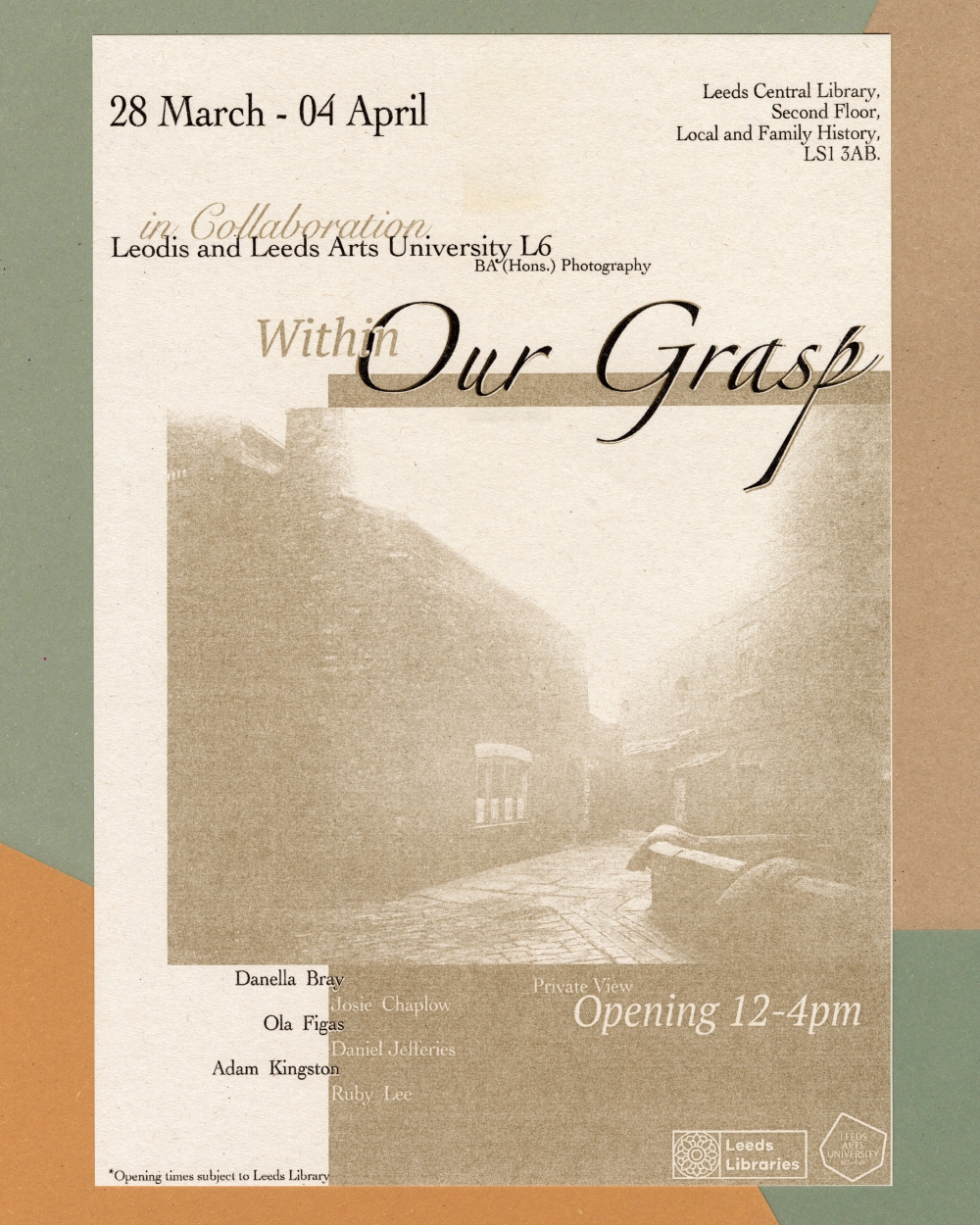
Daniel also designed a poster to publicise the exhibition and adopted an aesthetic that we felt suited the premise of the show, as well as the role of the Leodis archive as a civic and historical resource. This was printed on various hues of sugar paper using the Risograph printer at the university.
Installing the exhibition was heavy going, as we had to remove books from almost every shelf in the cabinets and then carefully replace them—on top of the prints and in their original order. The older books were understandably quite dusty, so we had to take care not to soil or otherwise damage the prints when placing books back onto the shelves. We also discovered that the cabinets weren’t entirely square, so we had some issues getting everything to sit level, and had to fudge some of the folds to compensate. We were pleased with the end result, however, and feel that despite some challenges, the work did what we each intended when responding to the brief, and the exhibition as a whole formed a coherent and thoughtful engagement with the archive.
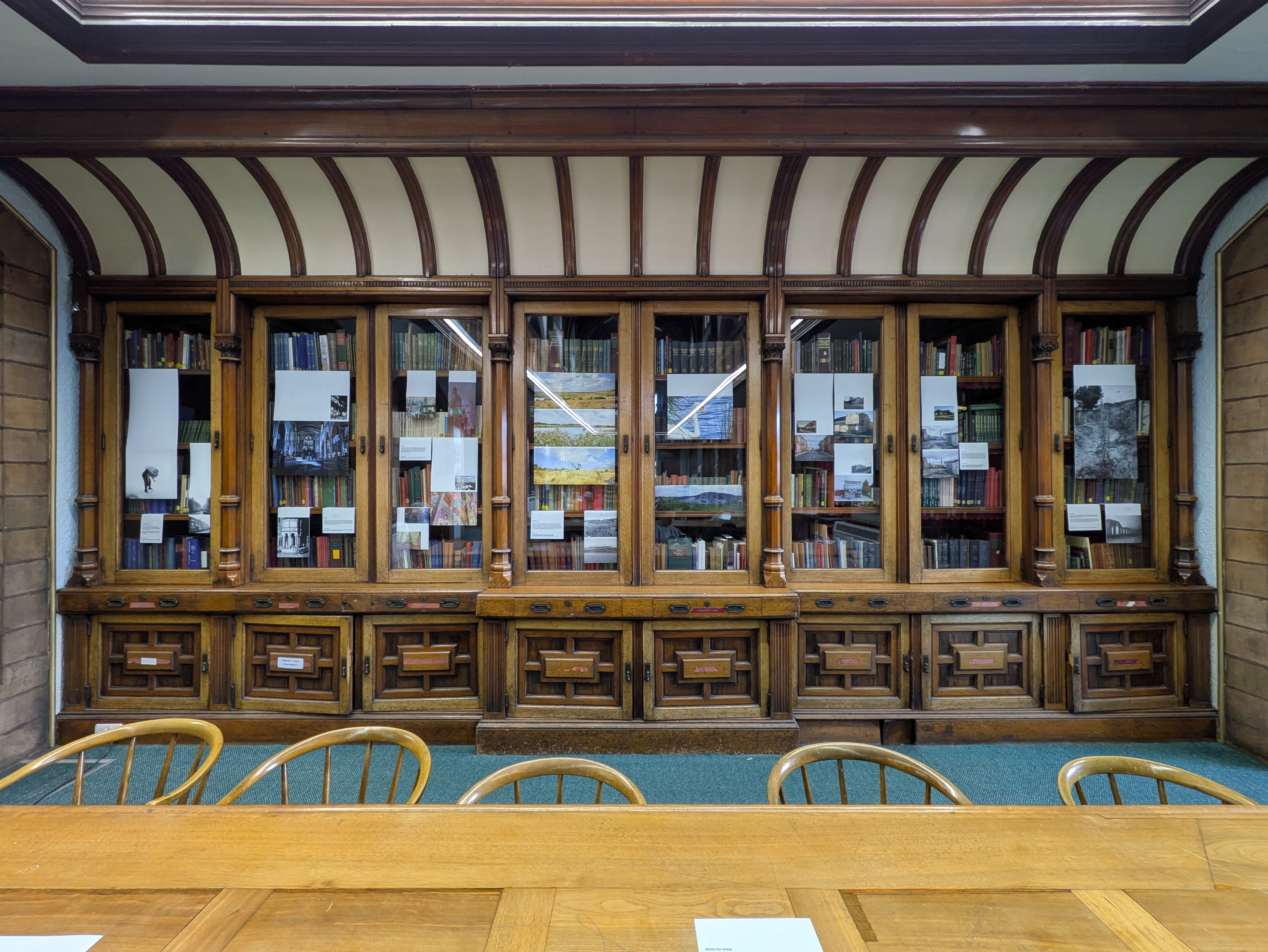
Statements from the exhibition
Danella Bray – Rewilding St Aidan’s
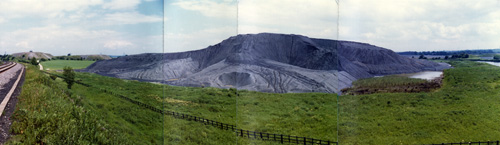
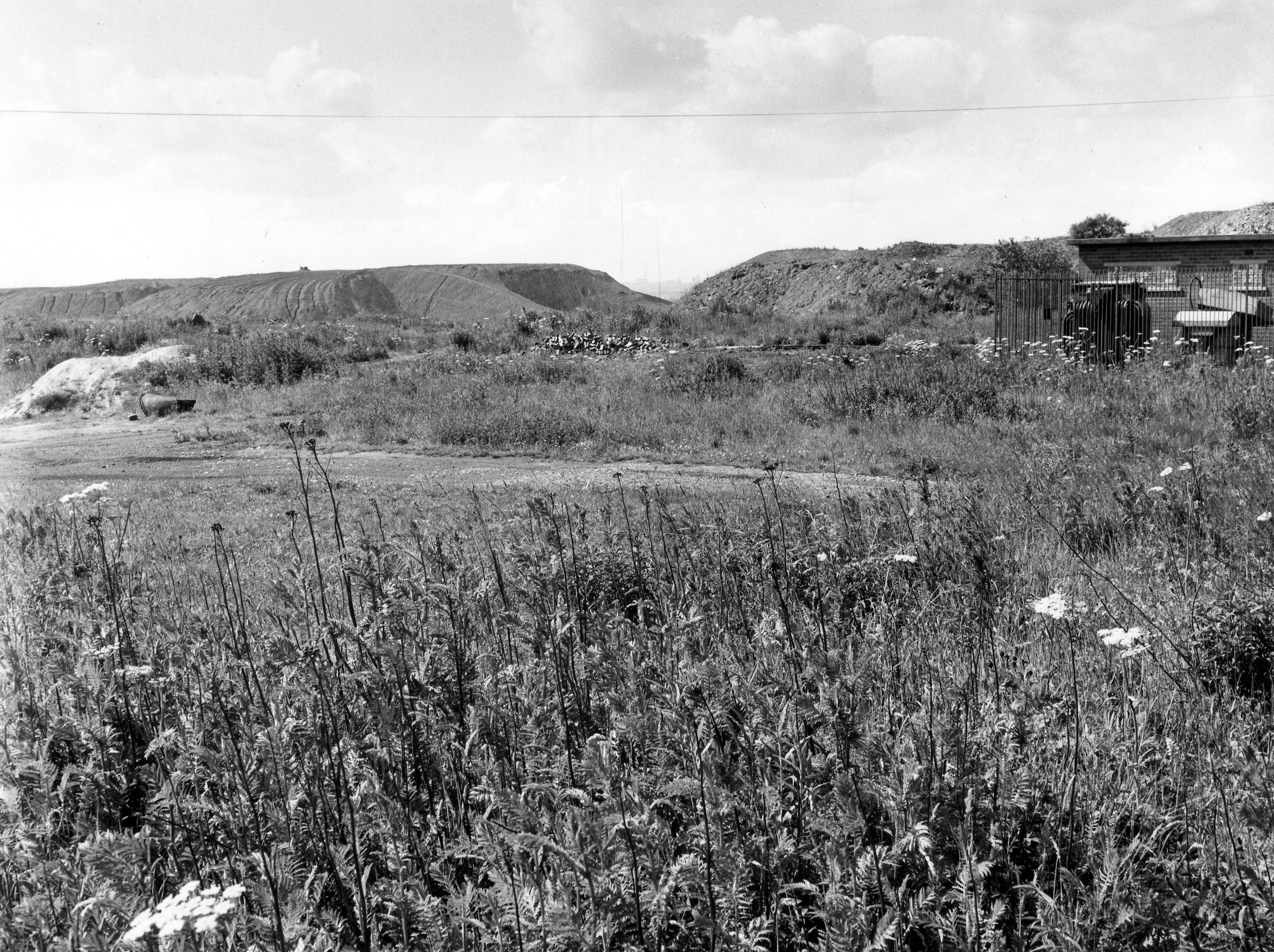
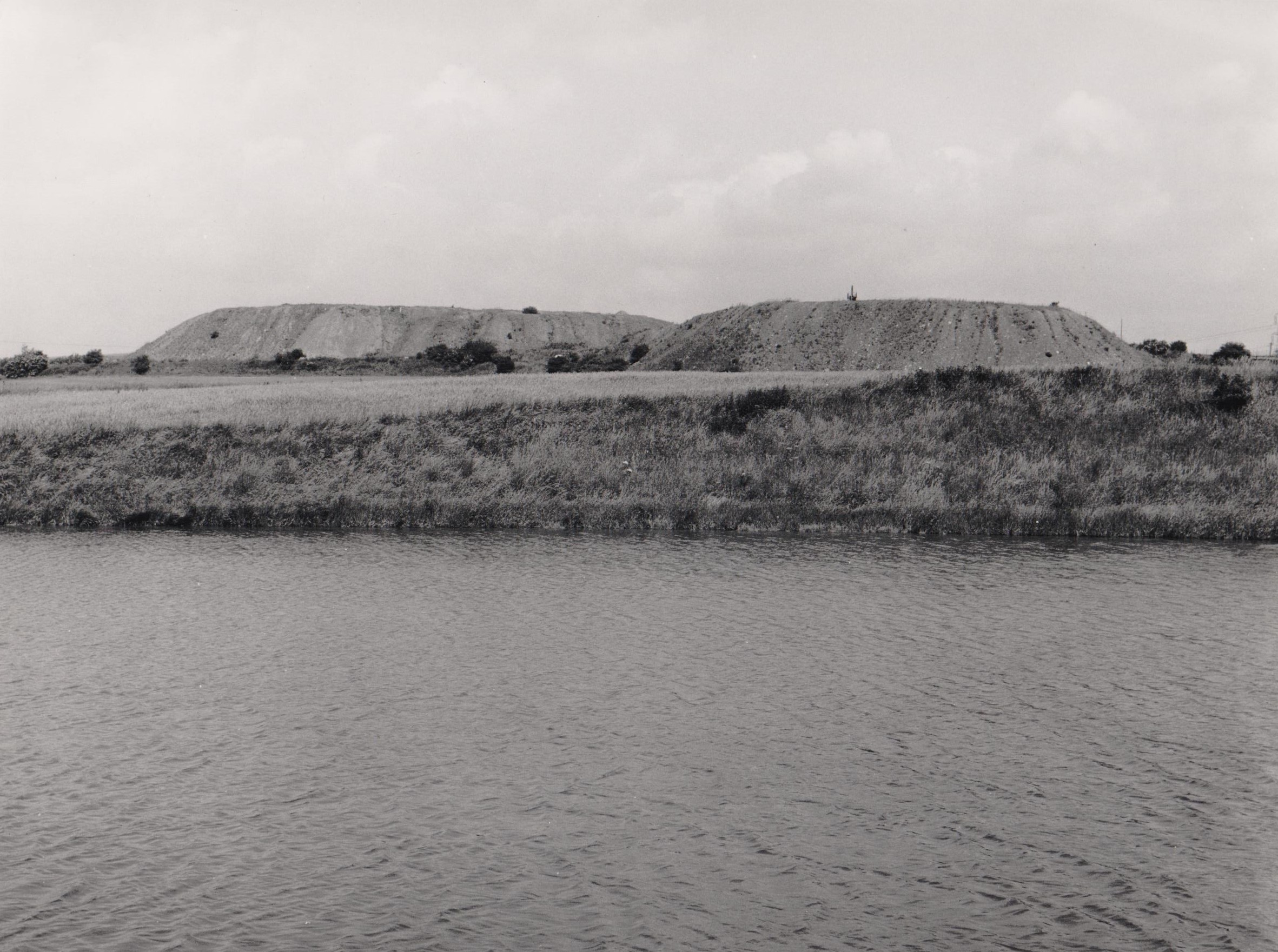
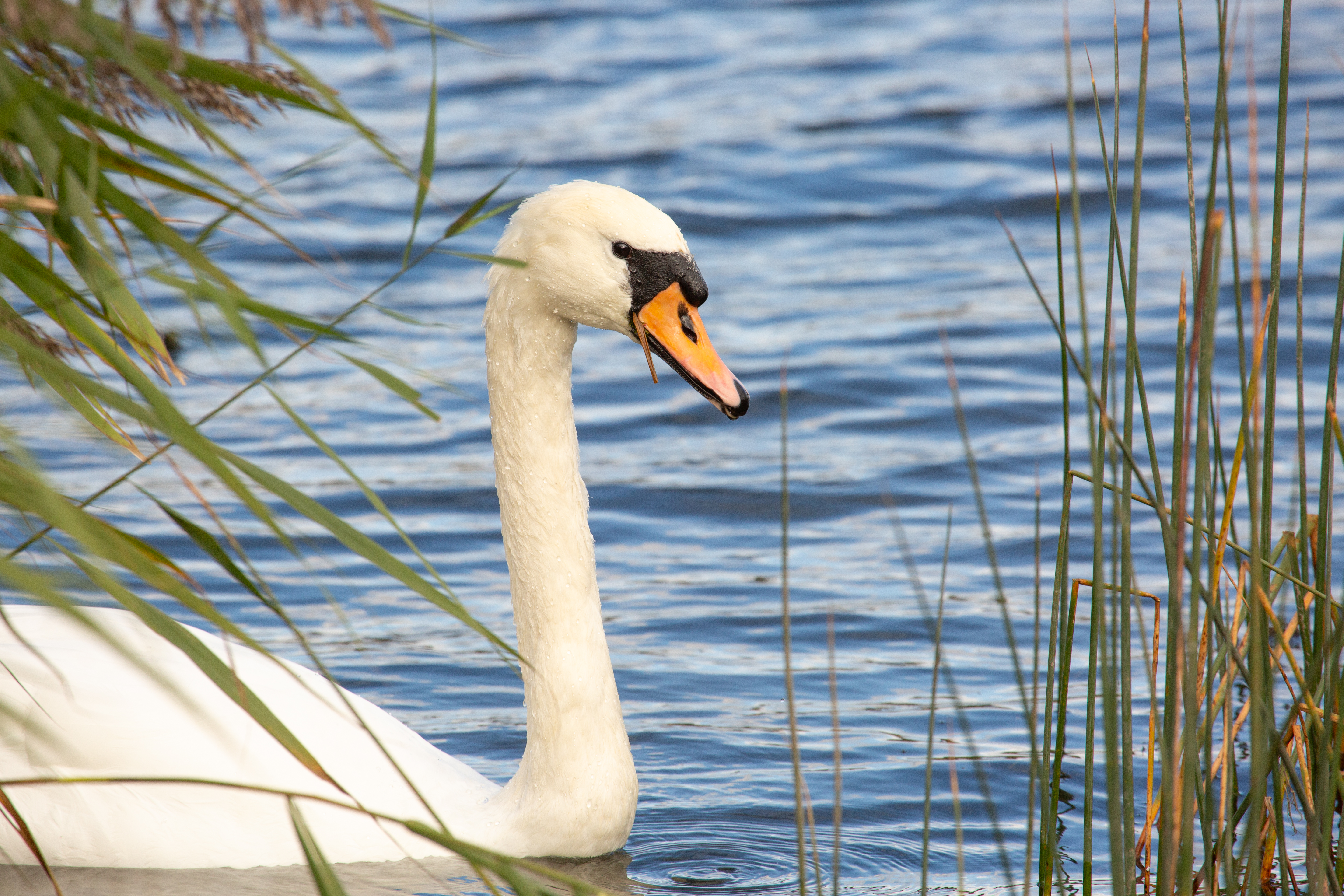
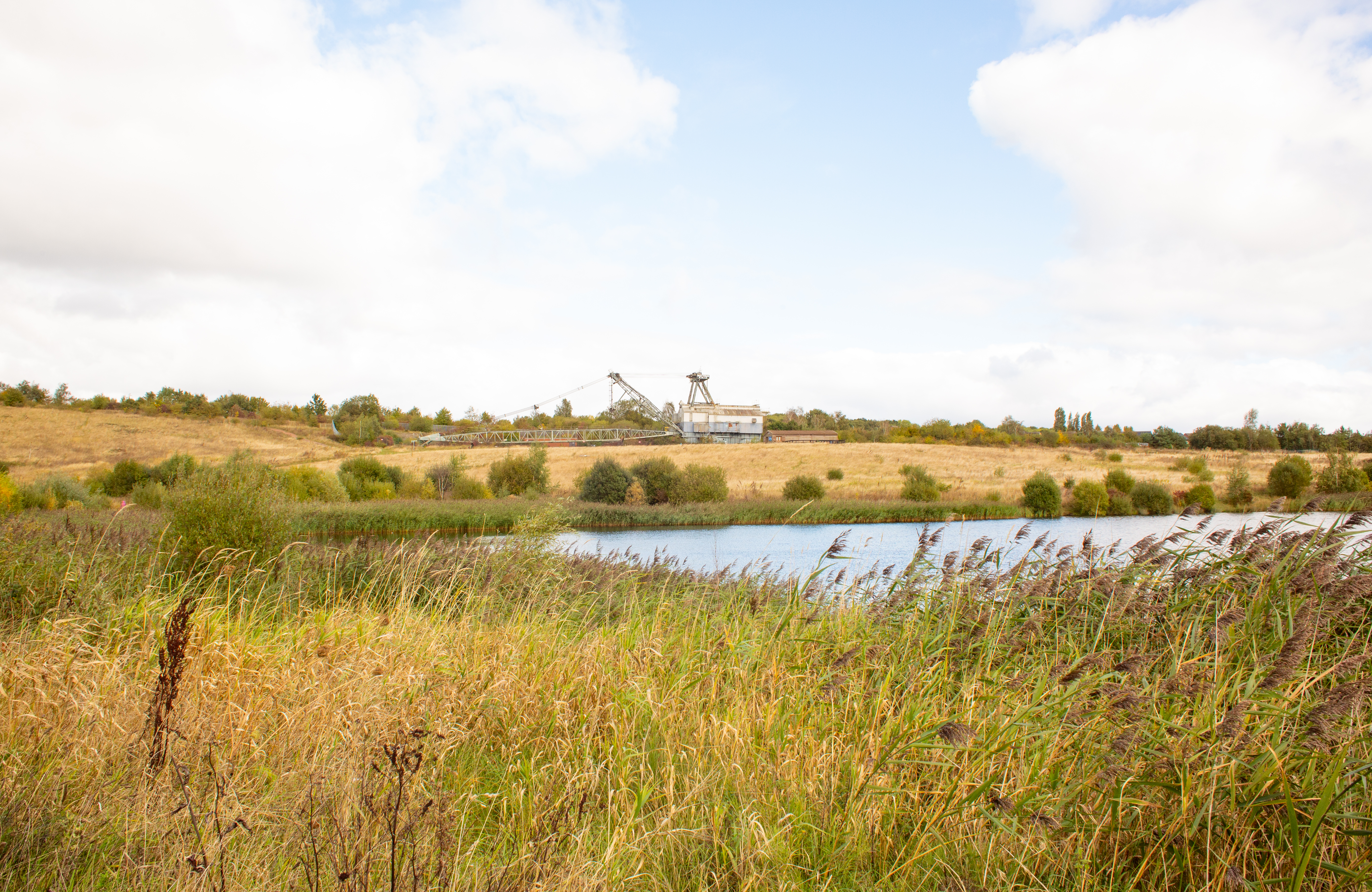
St Aidan’s Nature Reserve is a picturesque sanctuary for birds just east of Leeds, but it was once an opencast coal mine. When I came across the Leodis archive’s images of St Aidan’s opencast mine, I knew I wanted to capture the contrast between how it was and how it has transformed over the years. Through the remarkable efforts by the RSPB and its volunteers, the reserve today is teeming with life and attracts many visitors, human and animal alike. Since moving to England from South Africa, the lack of biodiversity was a huge shock, and it is in places such as St Aidan’s that I managed to find peace and solace. The work of charities such as the RSPB is so important in protecting the wildlife and biodiversity in the world around us and I wanted to celebrate that work through this project.
Reference images:
Danella’s response:
Josie Chaplow
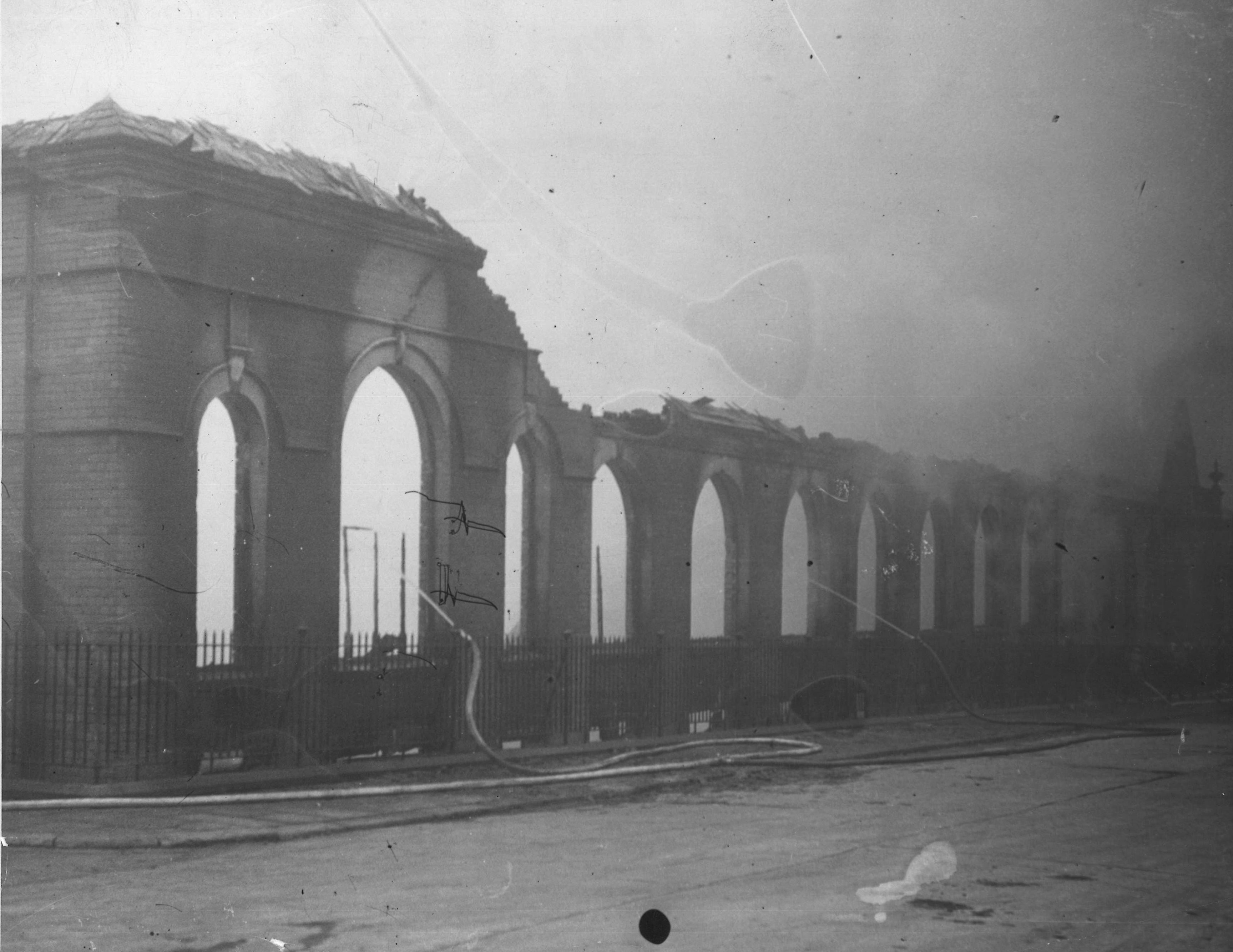
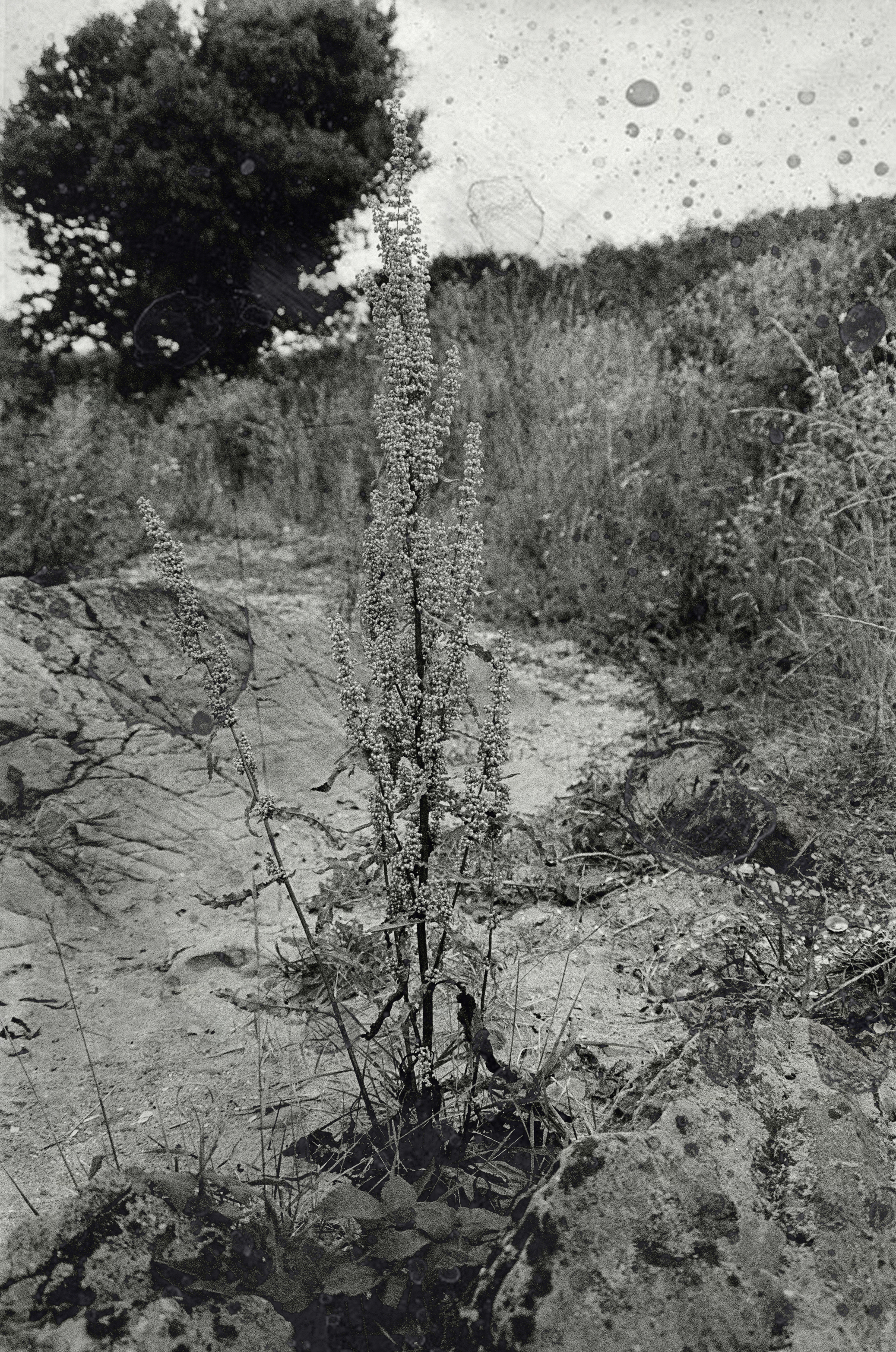
I have always been fascinated by the physical qualities of archival imagery, particularly the Leodis archive, where signs of age-withered corners, water damage, light leaks, and film grain-tell a story beyond the subject matter itself. These imperfections evoke a sense of time, history, and nostalgia, qualities I sought to explore in my practice.
I experimented with an expired roll of film while on a walk, embracing the medium’s unpredictability. Unlike digital photography, which offers precision and control, film—especially expired film—introduces an element of chance. The results were unexpected and compelling, with each image having a distinct visual character. Light leaks, grain, and subtle colour shifts transformed ordinary scenes into something ethereal, offering a perspective that differs from what we see with the naked eye.
Reference image:
Josie’s response:
Ola Figas
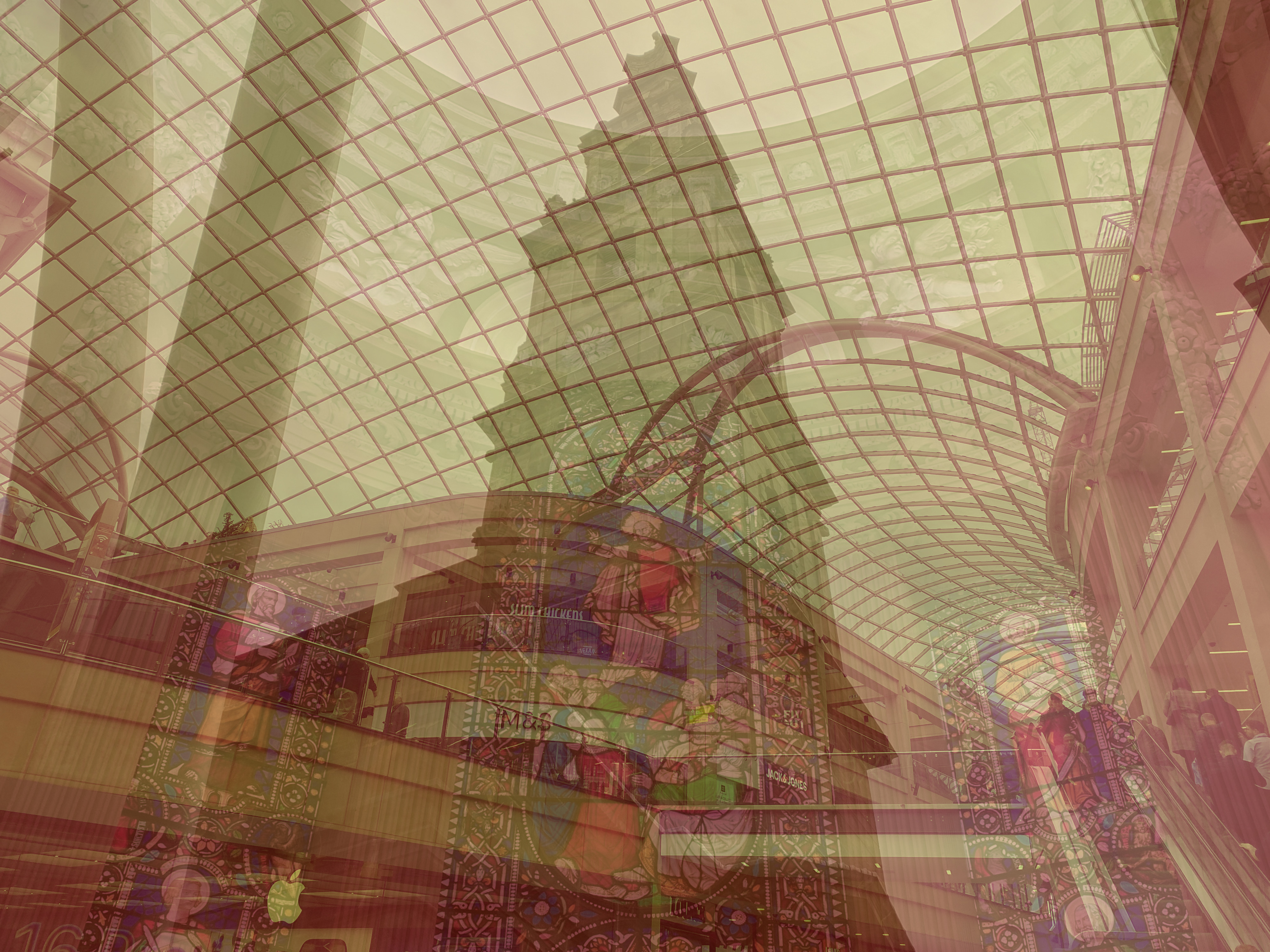
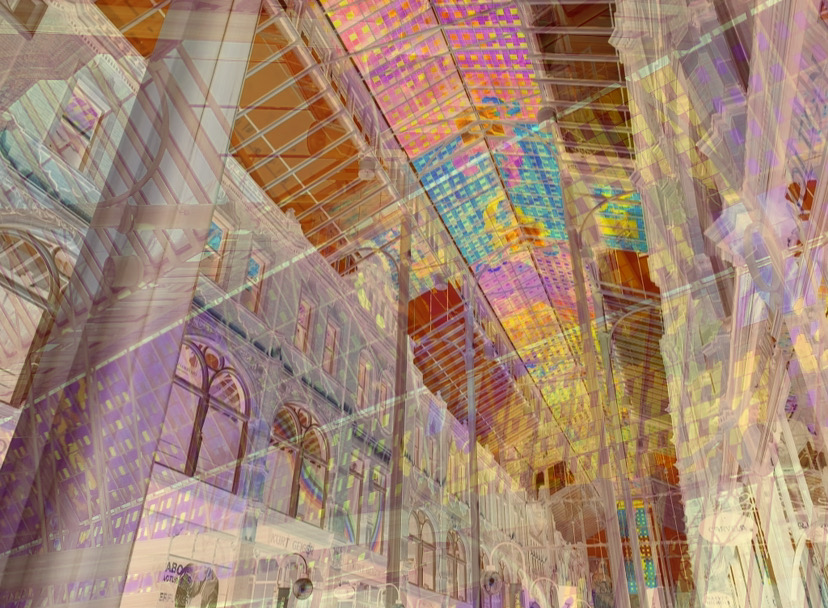
Leeds varies with the beautiful and powerful relationship between the old and the modern buildings; Ola shows through this dynamic with collaged images taken, highlighting the bond of old and new. Using Trinity Leeds and Victoria Quarter as the primary muse and example, the historical buildings sit perfectly next to the new buildings and constructions, rather than erased, it makes the buildings stronger and prominently proud of Leeds’s history. Ola has taken as well the inspirations from her father’s images of Leeds in the 2000s, showing how Leeds has grown fast over the years.
Reference image:
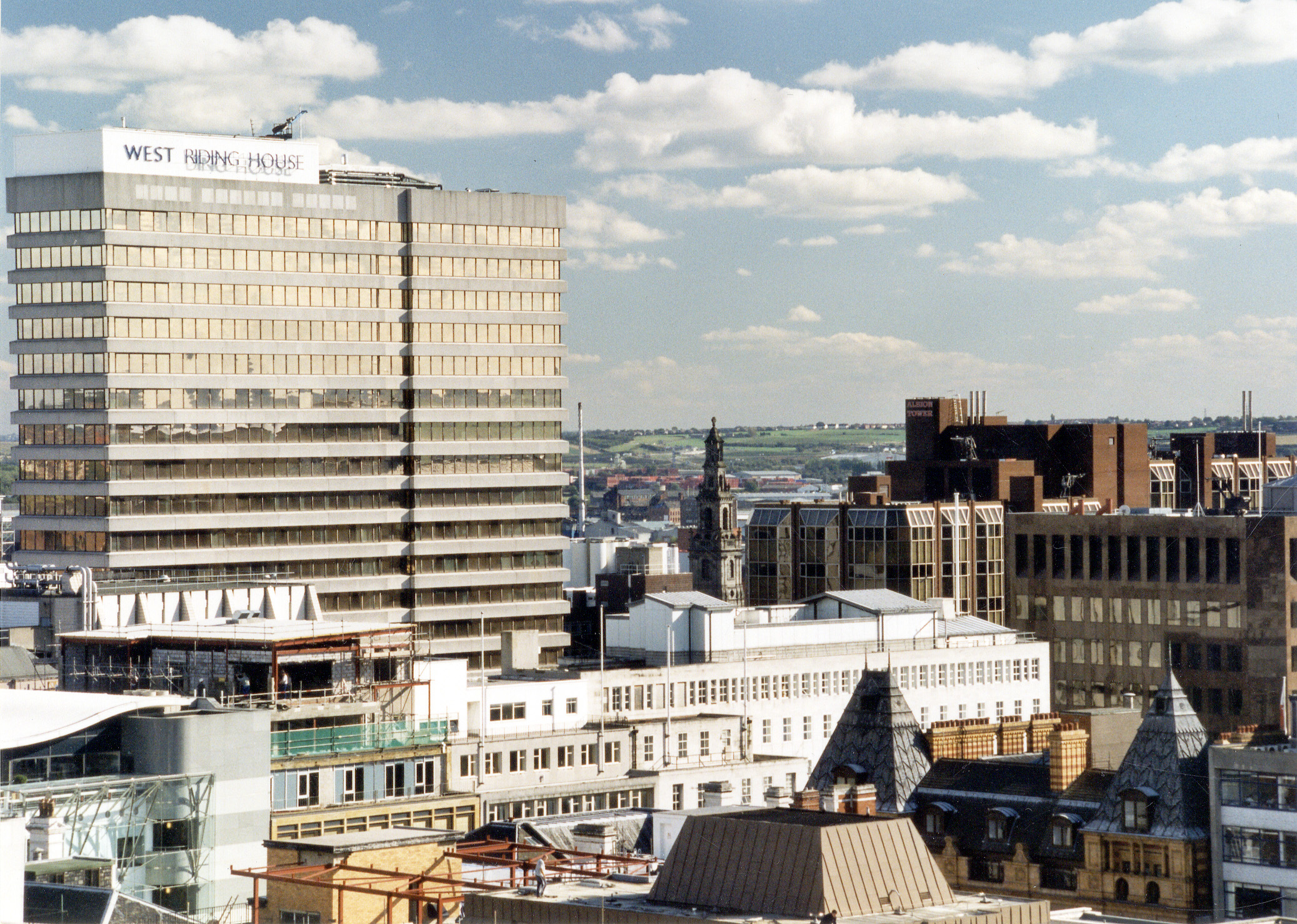
Ola’s response:
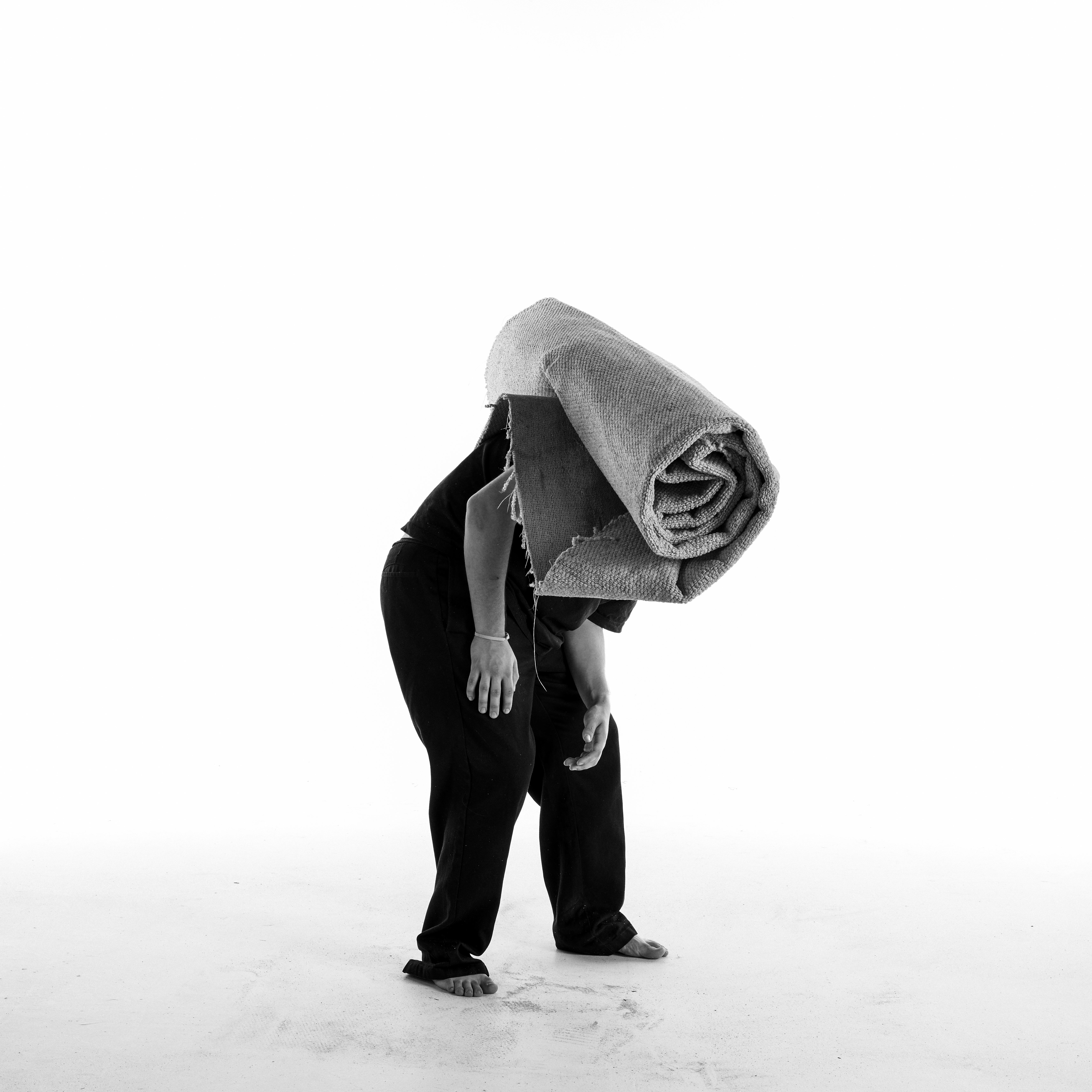
Daniel Jefferies – Living Area/Unclean, 2024
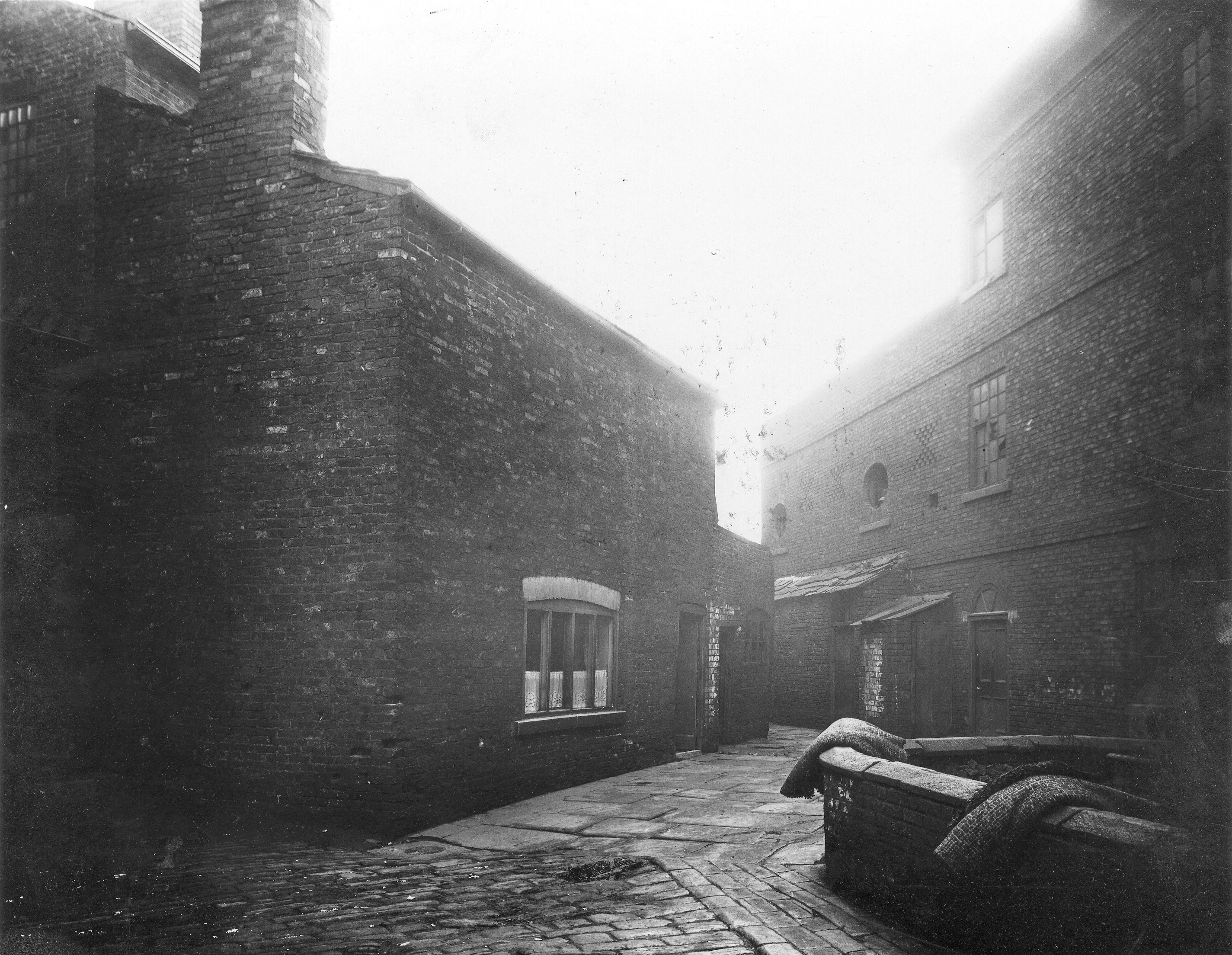
The Leodis archive was filled with longstanding architectural buildings of permanence, but the images that particularly interested me were labelled as ‘unhealthy’. Images with carpets slung over walls held a latent sculptural quality that I wanted to pursue and memorialise. For me, the lifeless carpets represented the working class, so placing myself within the frame felt natural. The image is left to contemplate the value of this material and, subsequently, the value of myself.
Reference images:
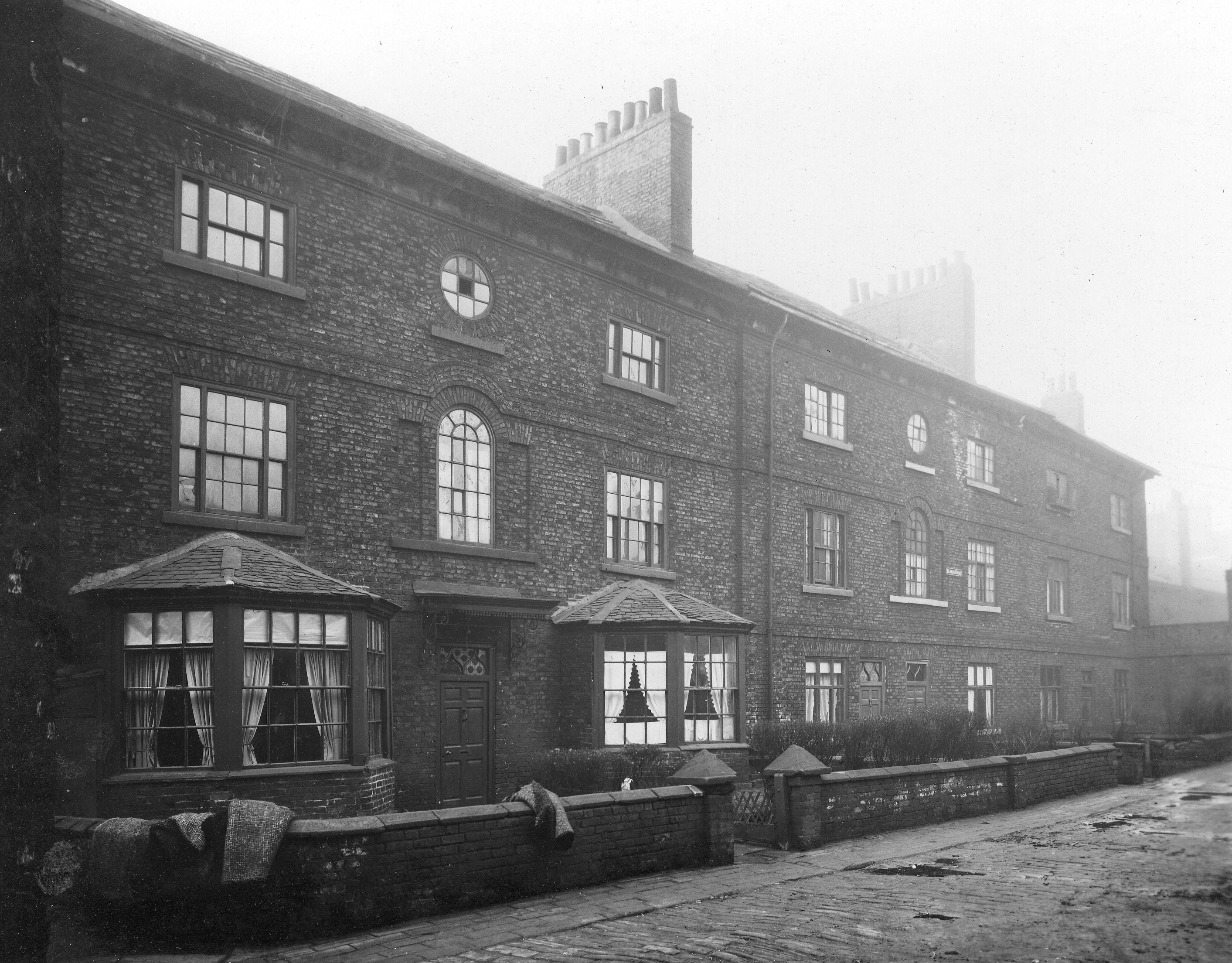
Daniel’s response:
Adam Kingston
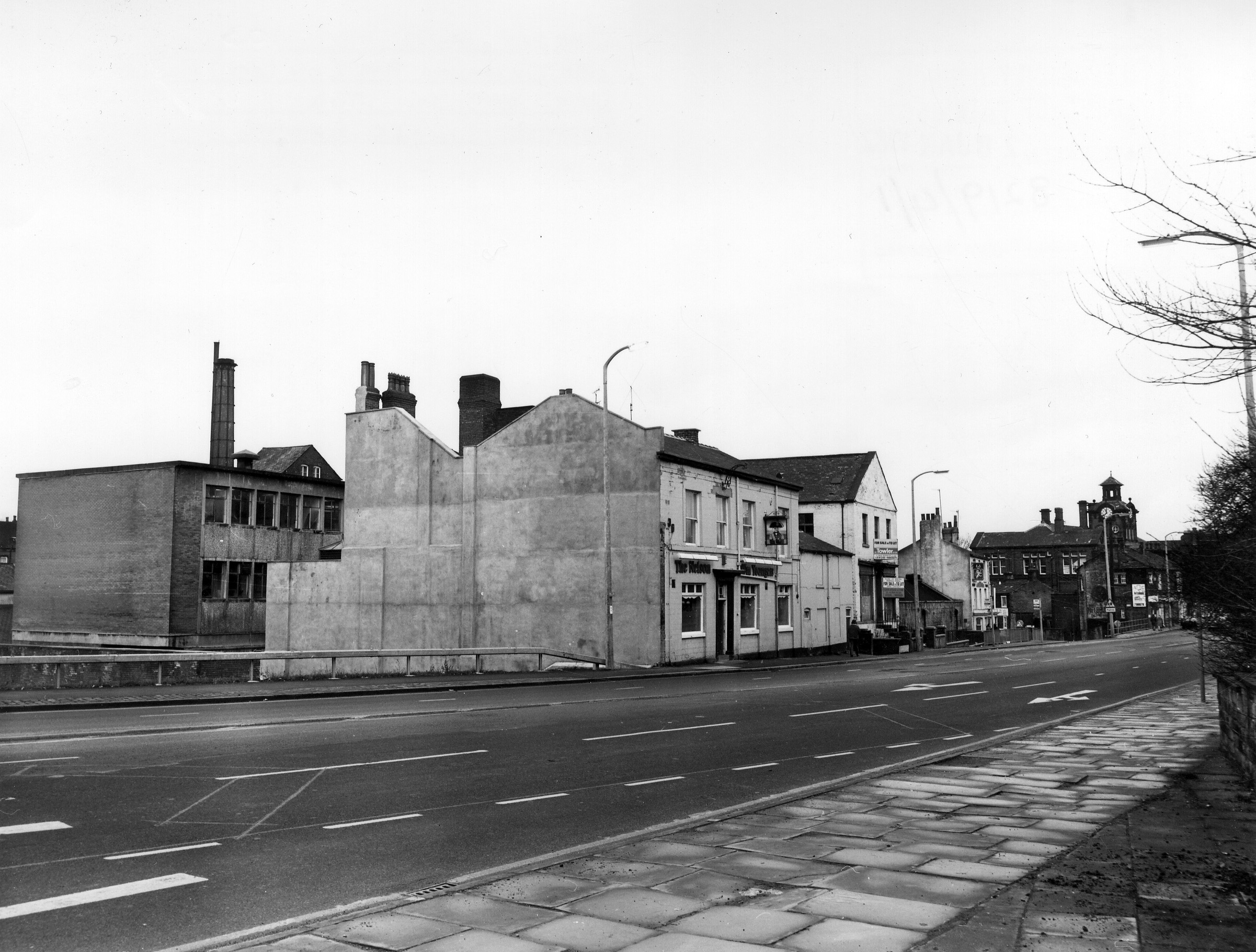
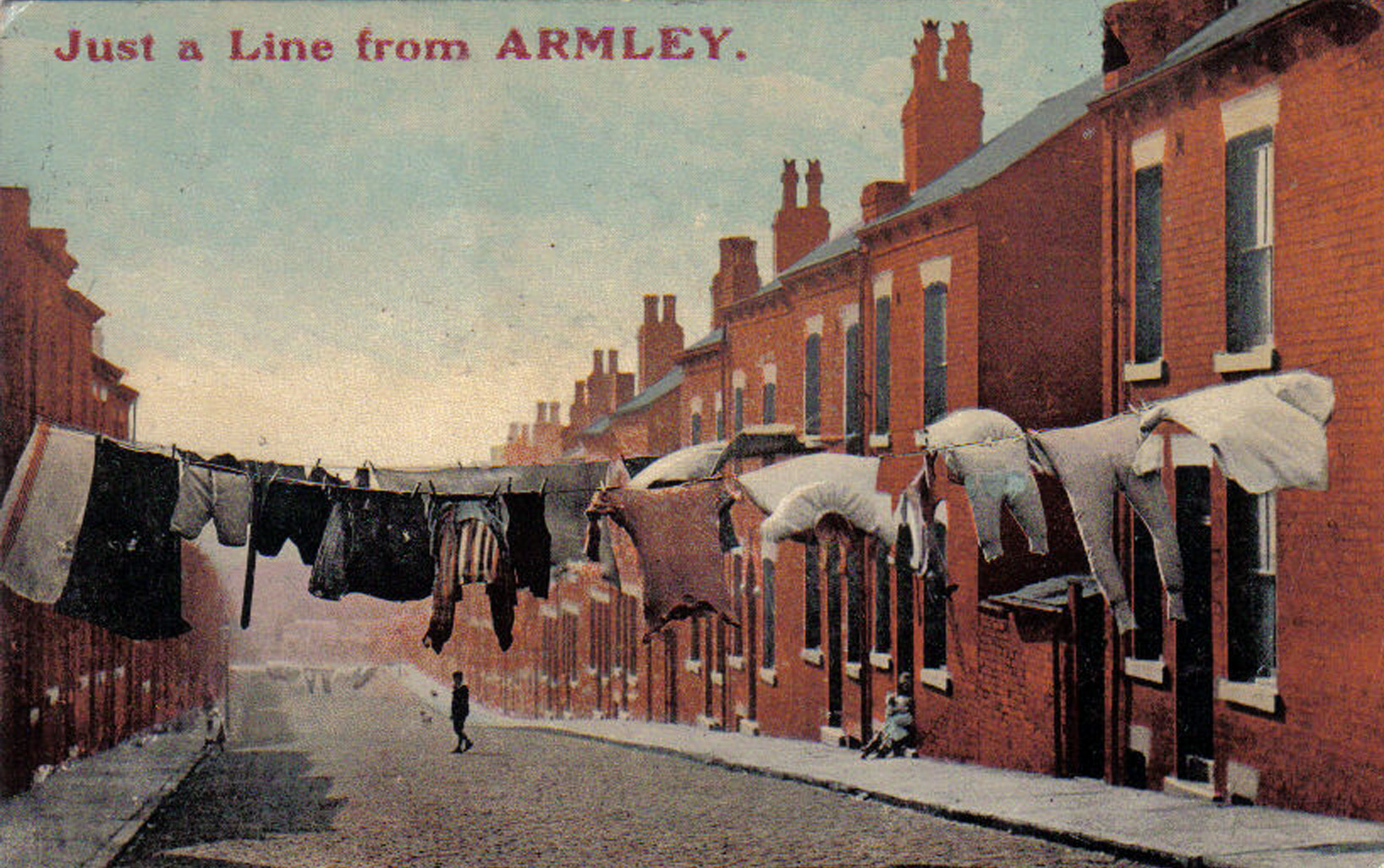
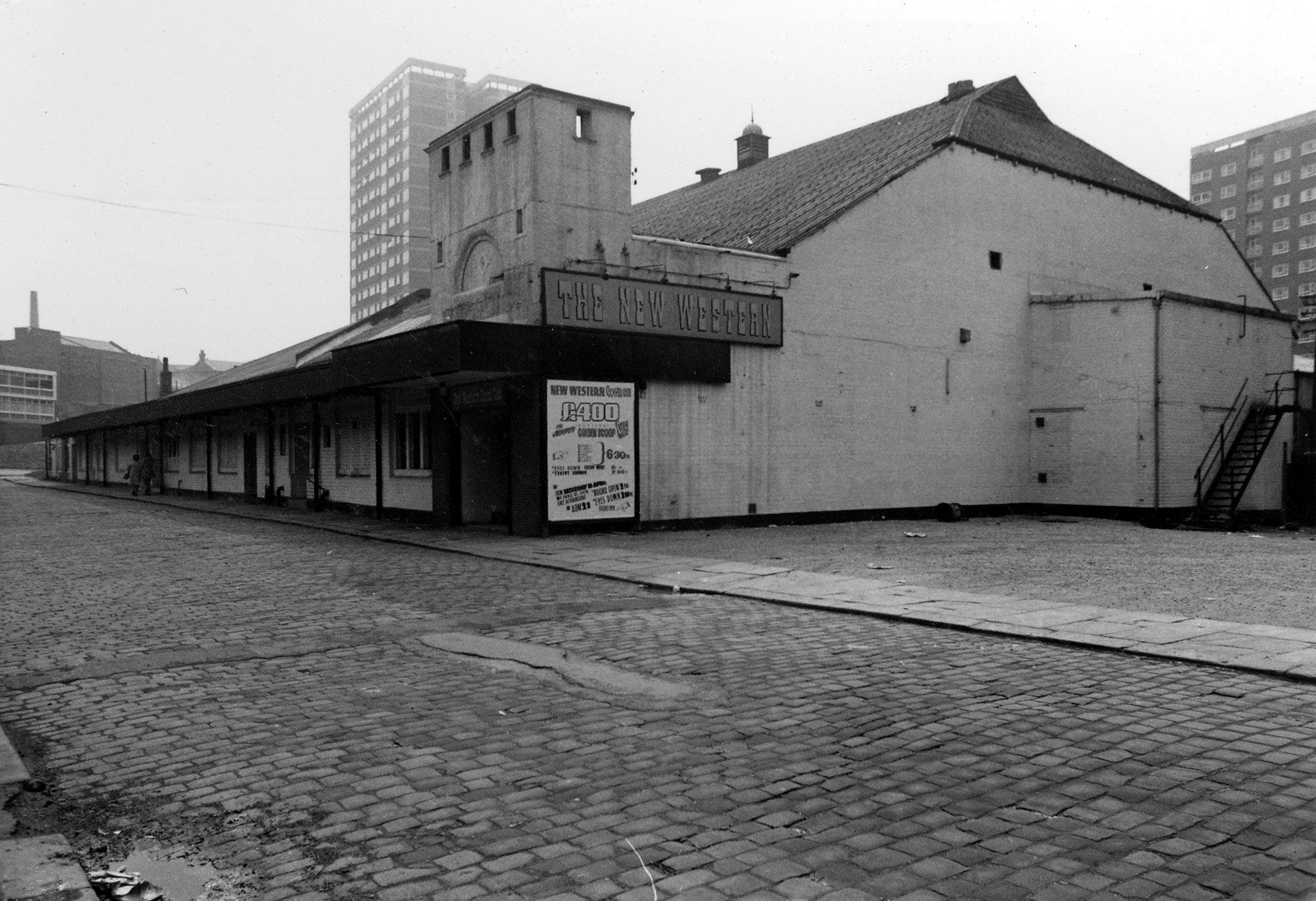
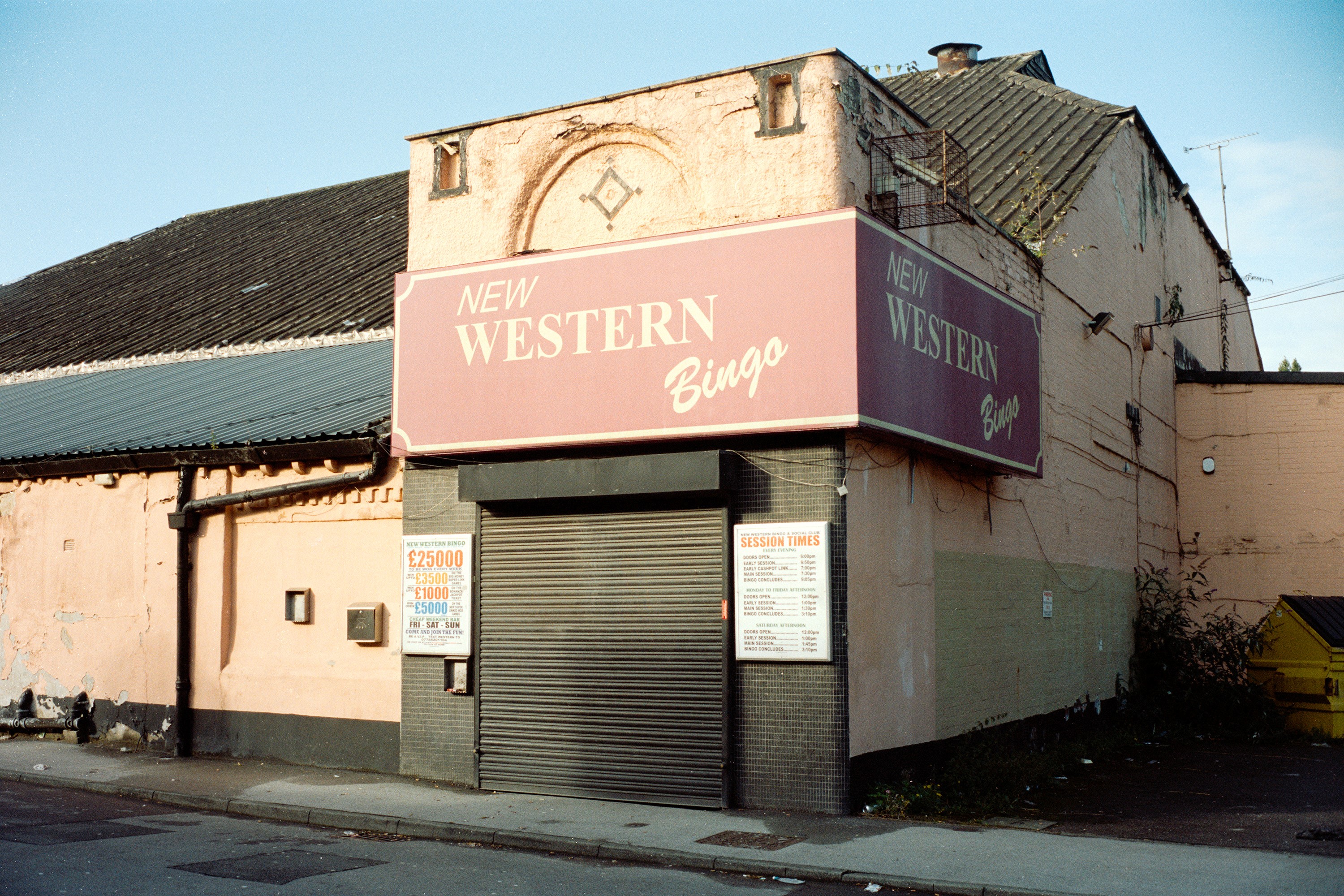
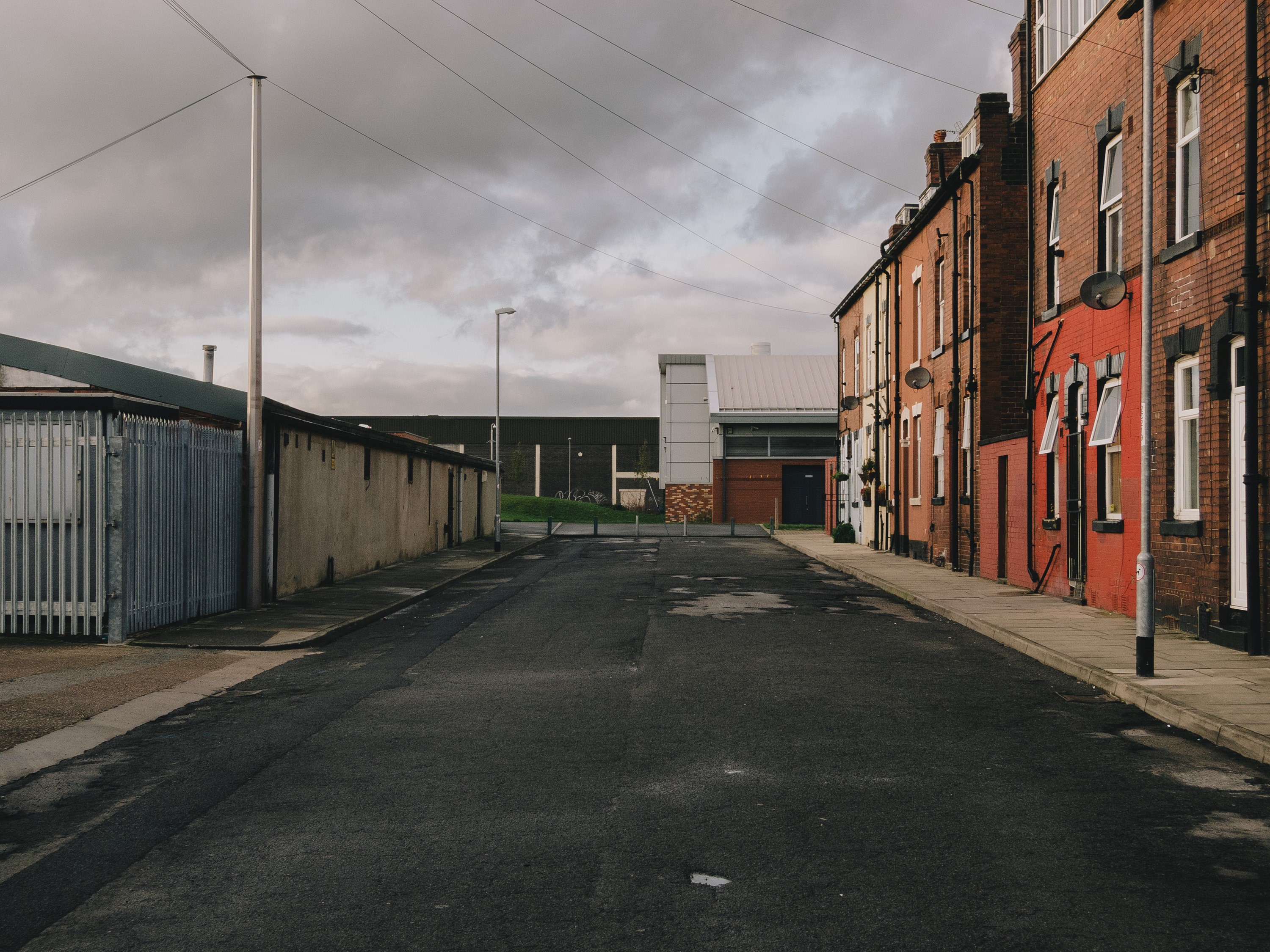
I began this project by scrutinising my own pictures for markers of continuity: landmarks or objects that I might be able to locate in the pictures in the Leodis archive. Such markers could act as geographical anchor points, allowing me to make connections between images and reveal the underlying structure of a place. Once you have an anchor point you’re able to consider what’s different, and in many cases it appears not very much has changed at all, despite the significant cultural and societal transformations that have undoubtedly taken place. However, the fire at New Western Bingo and its subsequent demolition serves as a stark reminder that when change does come, it can happen suddenly and all at once.
Reference images:
Adam’s response:
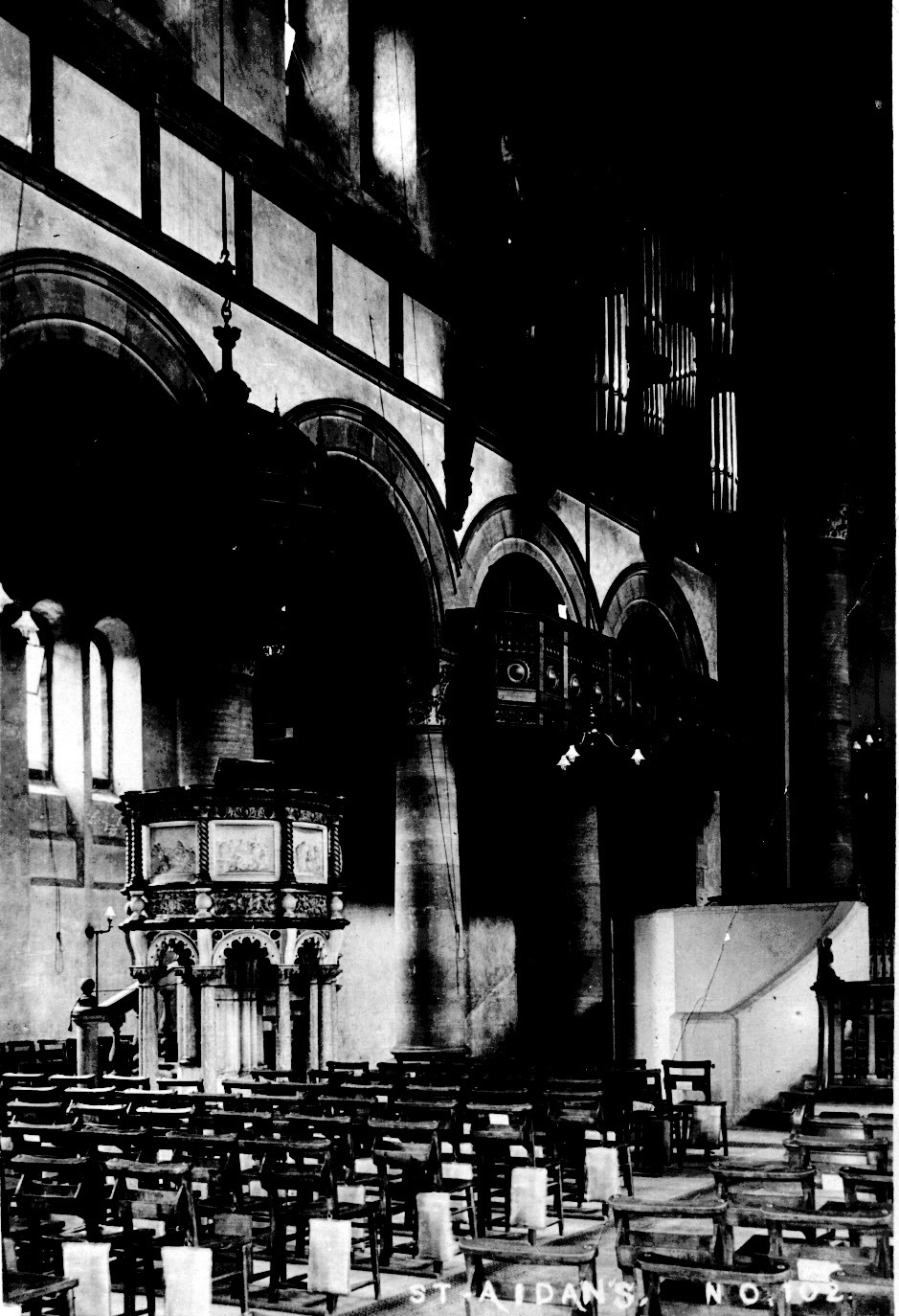

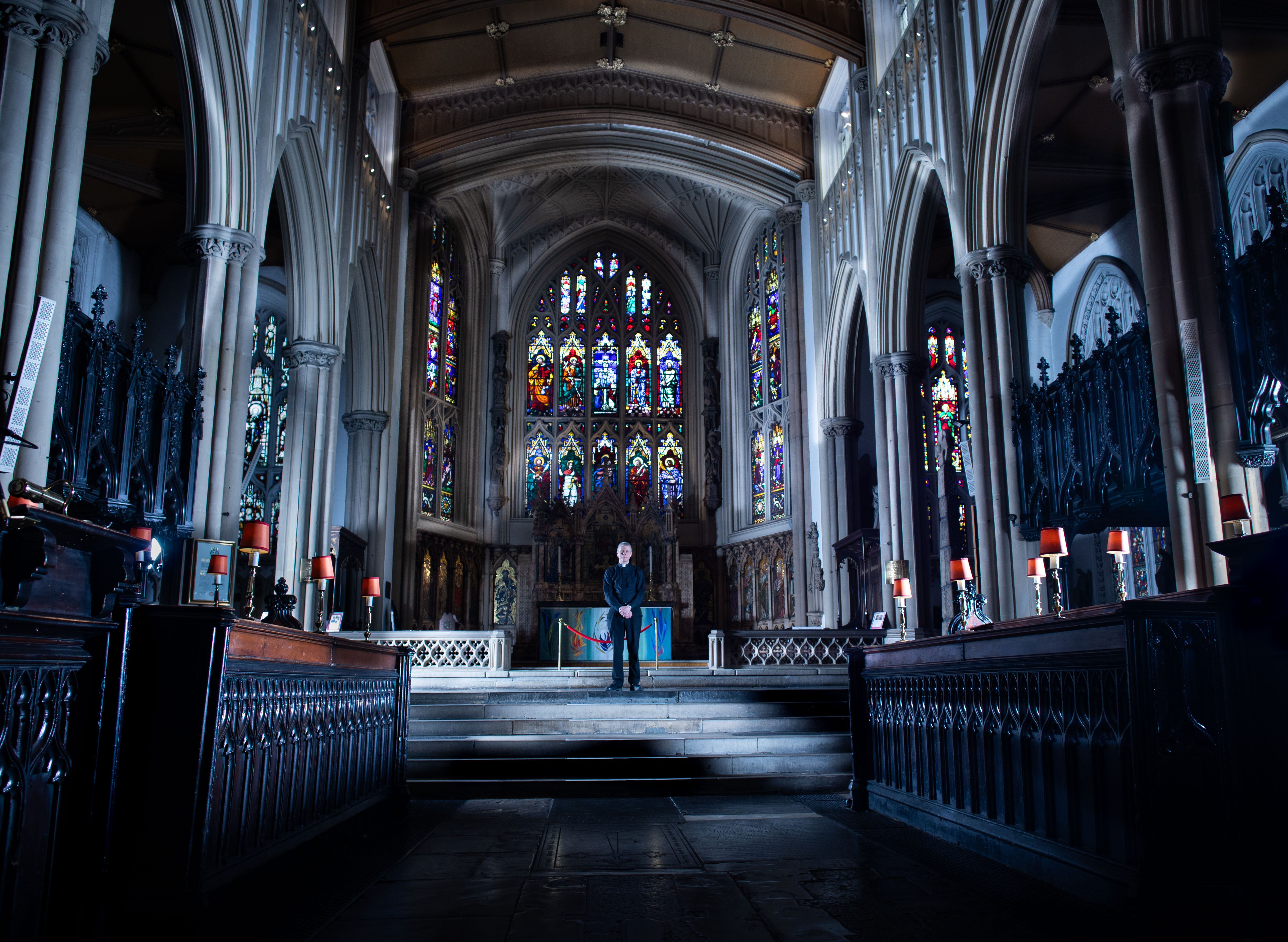
Ruby Lee – Religion
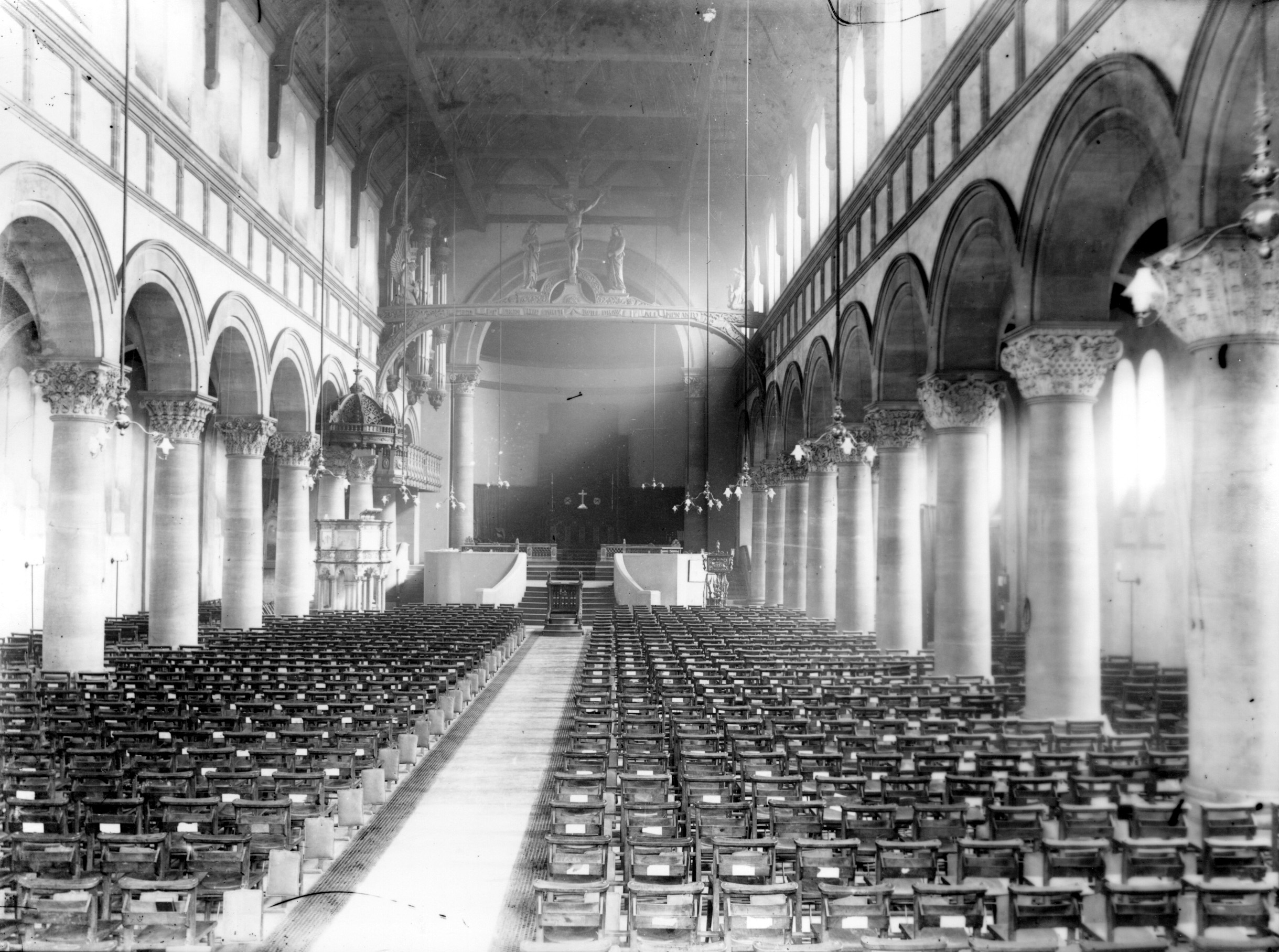
“Religion” is a photographic exploration into different religions, photographing religious spaces, leaders and members. After viewing the archival imagery of St Aidan’s Church I was inspired to use photography as a tool to learn about different religious groups around Leeds, as an outsider. In a world where respect and understanding is more necessary than ever, I have aimed to photograph each religion with the same technical and visual style, maintaining an objective approach to each religion throughout; highlighting both the individuality and universality of these practices.
Reference images:
Ruby’s response:
 The Secret Library | Leeds Libraries Heritage Blog
Hi,
What inspiring work from all six and love how the project is explained as well as having the individual perspectives. They all complement each other but my favourite is the man with a carpet photograph. This is a blog to keep going back to as really great visually as well as making you think.
Thank you!
Lucy
>