This week we hear from guest author Tom. Tom has launched Bury the Leeds, a local history newsletter that may well be of interest to readers of the Secret Library Leeds…
My name is Tom and I publish an email newsletter called Bury the Leeds. I discuss some of the weird and obscure stories about this great city that I’ve discovered by scouring hundreds of years of newspaper archives.
I add my own commentary, illuminating why these forgotten tales still matter and the surprising lessons they can offer for Leeds today.
You can sign up for free at the link below and get updates directly to your inbox, every other Monday!
https://burytheleeds.substack.com/
One of my absolute favourites was from 1901 when there was a bizarre pigeon-eating wager in Farnley. Bets were taken on whether Tom Helstrip could eat 13 pigeons in 13 days and it caused quite a sensation across the city.
I wrote about Arthur Wildman, who very much lived up to his name. He broke out of his cell at Armley Gaol in 1912 for a rooftop siege, so of course there was only one place for him, the local lunatic asylum. But he escaped from High Royds too, sparking a 5-day manhunt across West Yorkshire that was dramatically detailed in local newspaper reports.
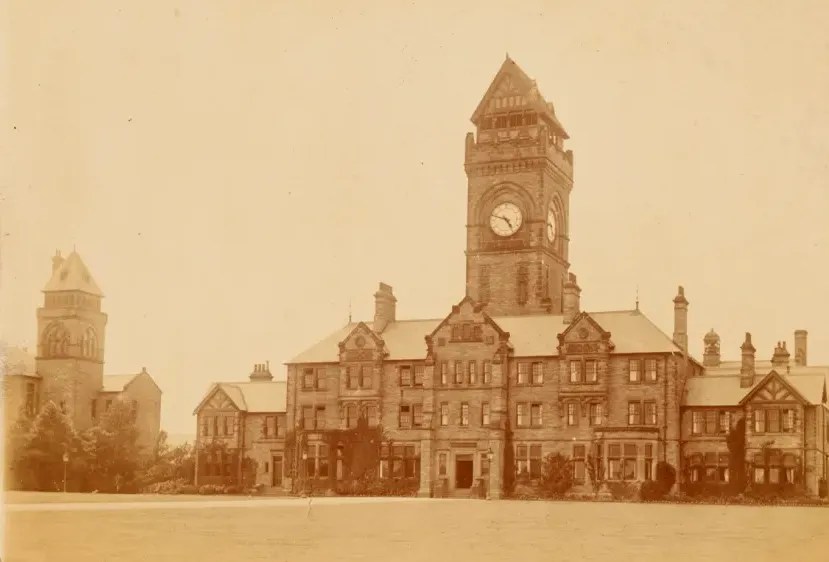
They are the type of delicious and unexpected social histories that are waiting to be found in the newspaper archives.
I was fascinated by the visit of The Great Sequah in 1889, a charismatic quack doctor who arrived in Leeds in a gilded chariot, wearing a full Native American headdress. He even had a band of musicians to add to the mystical vibes.
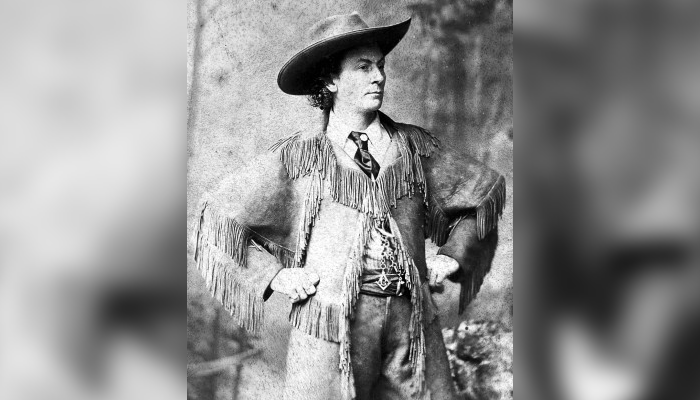
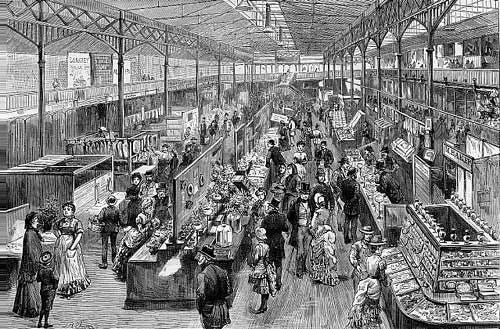
According to the Yorkshire Evening Post, thousands came to watch him “heal” people at Kirkgate Market over five weeks. He rubbed his mystery potion into creaky joints as miracles supposedly happened. But surely the people of Leeds weren’t that gullible?!
Local papers are also records of everyday misty memories that have long washed away like a sandcastle into the sea. In 1948, a reporter tagged along with a Leeds family on a day trip to Bridlington. It’s full of pathos and captures the post-war joy of freedom returning and the tight bonds of family life.
Leeds has a rich tradition of local journalism. There’s the Yorkshire Evening Post that we all know today but it competed for scoops and advertising space with the likes of the Leeds Mercury, the Leeds Evening Express and the Leeds Times.
There was also a healthy number of hyperlocal papers catering to specific parts of the city, such as the Skyrack Courier or the Armley and Wortley News.
I initially began using the archives after an offhand search for my family name and the village of Harewood. I knew my descendants had lived there since at least the 1600s, but I wasn’t quite prepared for one shocking tale that I uncovered.
I was stunned to find scores of articles from the 1850s about my great, great, great aunt who was arrested and imprisoned for drowning her seven-day-old baby on the way back to Harewood after she gave birth in Leeds.
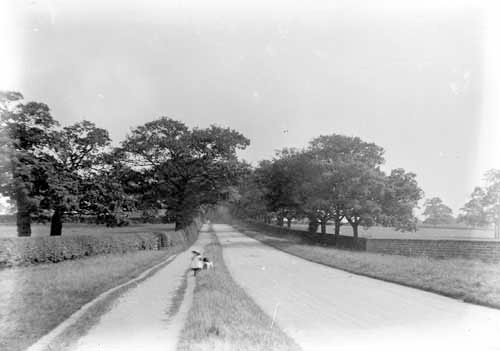
It turned out that the child’s father was a married man. The case was covered in harrowing detail in not only local papers but the nationals, too. You get a real sense of her despair, heading back to a deeply religious home with a terrible secret.
Court reports months later revealed even more with some heartbreaking witness statements. In a surprising twist, she walked free and avoided the hangman’s noose.
It’s not the type of family story that was passed down through the generations.
I’d always imagined my ancestors quietly ticking along in Harewood, perhaps ploughing some fields or tending to livestock. I never really thought of them as real people. I now think about my great aunt and her child often.
All these stories, from the humorous to the tragic, remind me of the value of local news and what’s been lost as journalists have been laid off and newspapers have been hollowed out. Facebook groups just don’t cut it.
There’s really no better source for how people of Leeds were feeling, seeing, throughout history than its newspapers.
This week I chose an article from 1915 where a reporter described the oppressive industrial scene that greeted rail travellers as they approached the city through Holbeck. Amid the smoke and soot, he spotted something unexpected, a dazzling garden of purple irises. He set out on a quest to find Holbeck’s purple patch.
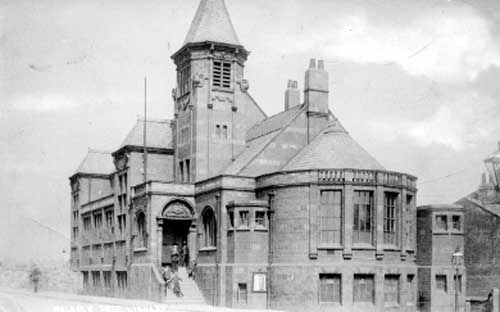
It really taught me a surprising metaphorical lesson, if everything around you seems dark and dismal, look out for the purple patch. It’s usually there, even if that particular garden in Holbeck is long gone.
I’m constantly amazed at how these old stories can catch me off guard, sparking my imagination about how Leeds used to be and where it’s heading.
Check out Bury the Leeds at Tom’s website, and signup for notifications of future articles.
 The Secret Library | Leeds Libraries Heritage Blog