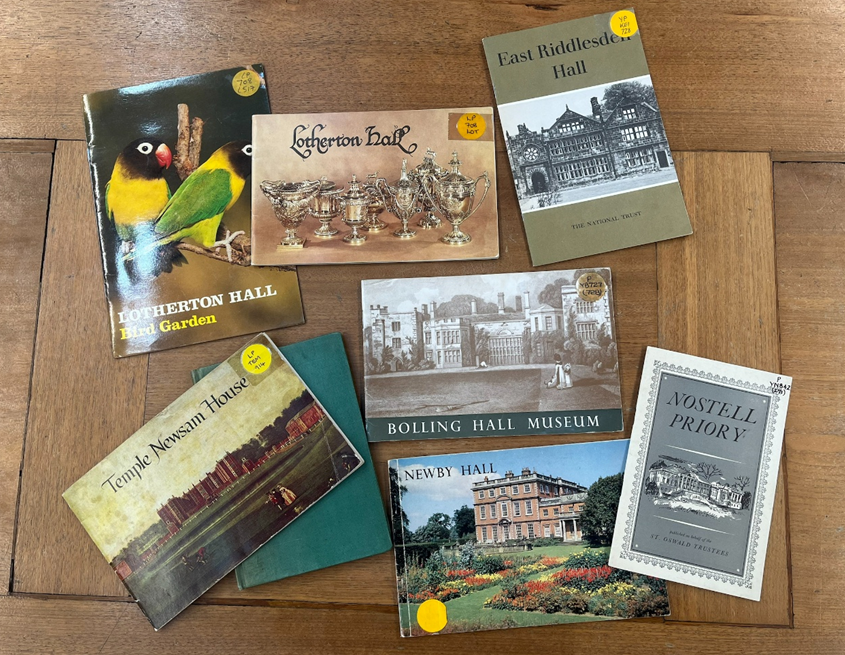
This week Library and Digital Assistant Rosaleen explores Leeds’ iconic historic houses and the perhaps lesser known items in our library collections related to them.
Leeds is graced with beautiful historic houses and stately homes, all with a rich and interesting history. Although it is the West Yorkshire Archive service that holds estate papers and manorial records, the Local and Family History department at Leeds Central Library contains all sorts of interesting information relating to these buildings.
The library’s photo image archive, Leodis, offers a brilliant visual insight into what these places looked like in the past. The library shelves also hold books that refer to these historic places, as well as the characters that once owned or lived in them. Because of the varied stock within Leeds Libraries, there is everything from fiction inspired by past residents, to old guidebooks created when these houses became museums in the 20th century.
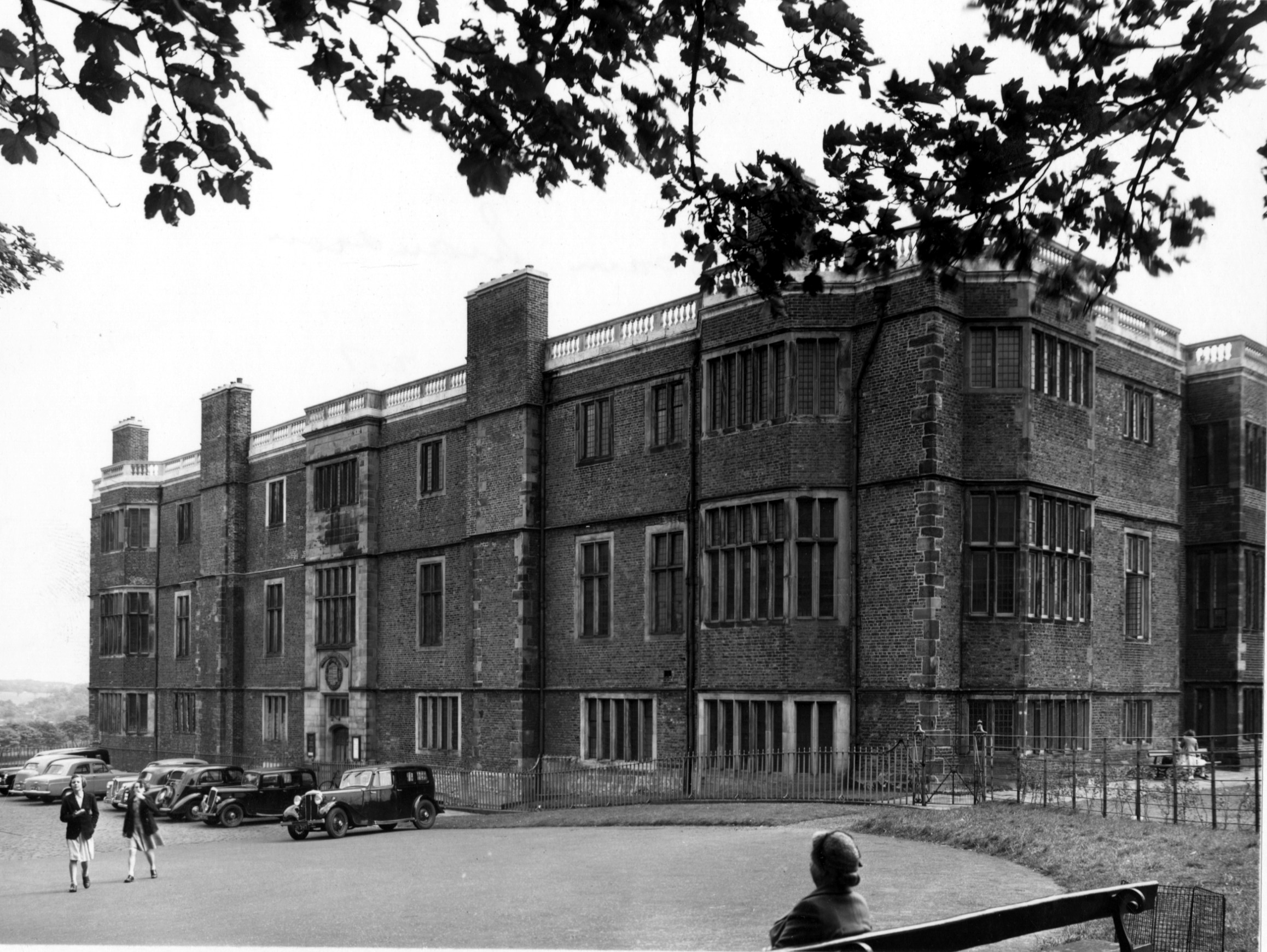
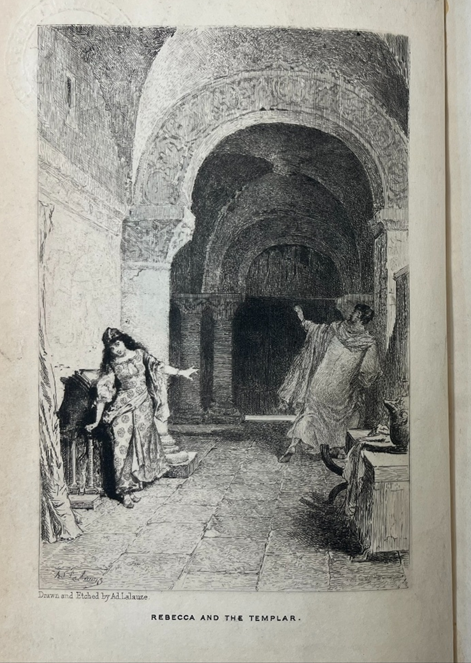
Starting with Temple Newsam, a house on the edge of the Eastern side of the city, which is often dubbed the ‘Hampton Court of the north’. Built in 1520, the house sits on land previously belonging to the medieval order, The Knights Templar. Such a setting is said to have inspired Sir Walter Scott’s 1820 novel Ivanhoe, which features a Templar preceptory named Temple Stowe. The Local and Family History library have copies of a version published in 1893 and there are several loanable copies across our libraries.
Ivanhoe is not the only book that has taken inspiration from Temple Newsam. Kaza Ishiguru’s 1980 novel, The Remains of the Day, contains a character named Lord Halifax (Edward Wood) who was the last owner of Temple Newsam House. The novel is about a Butler traveling around the south of England in the post-war era. Halifax is mentioned as he was a prominent figure within politics at the time, serving as foreign secretary under Churchill in WW2.
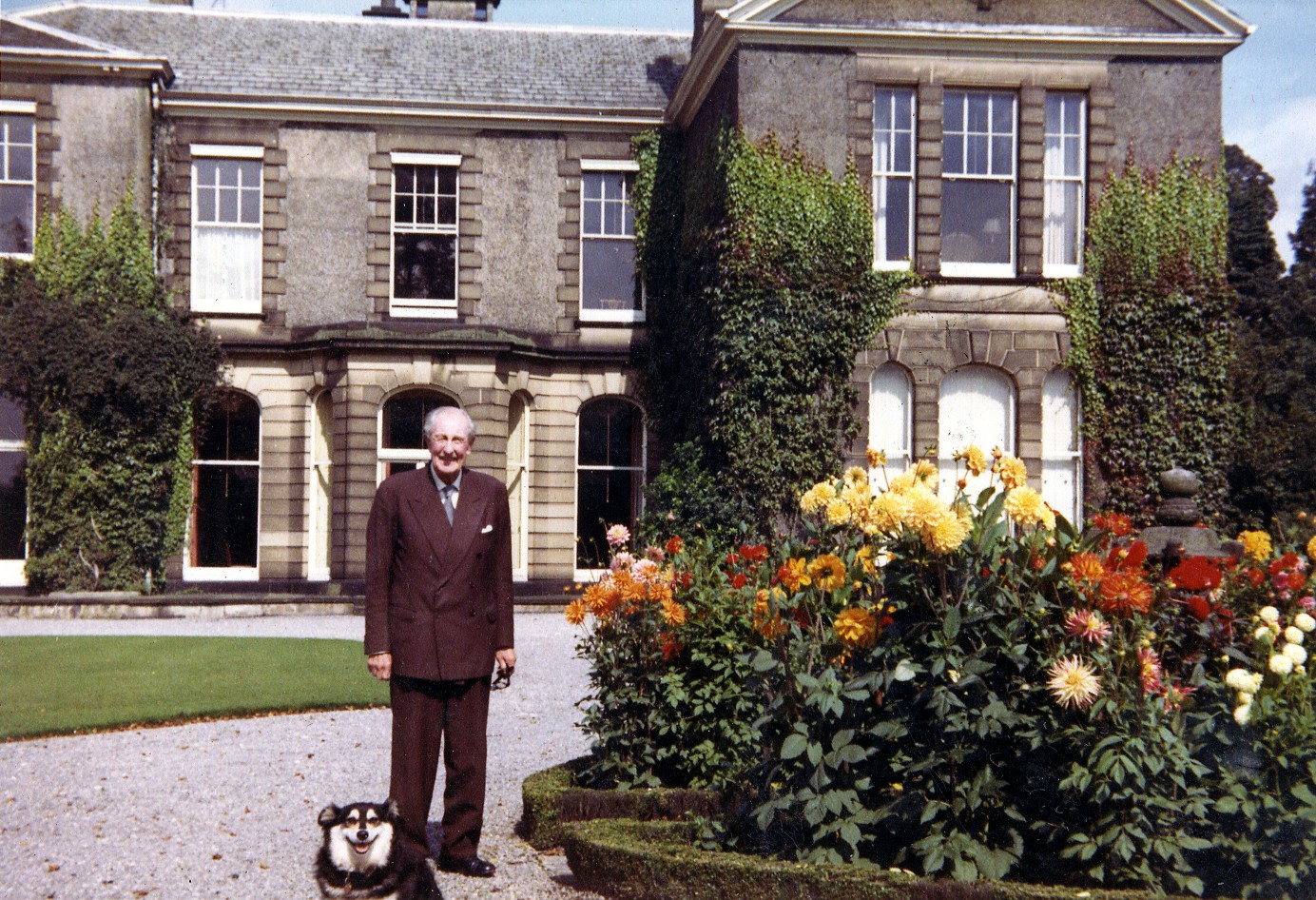
Lotherton Hall, a Georgian mansion also situated in East Leeds, has a strong connection with Leeds Libraries. This is because Alvary Gascoigne, last owner of Lotherton, donated a collection of over 3,000 military books and pamphlets in 1967 upon his death. This was in memory of his father, Colonel F.R.T. Gascoigne, who was an avid collector of 19th century military books and ephemera.
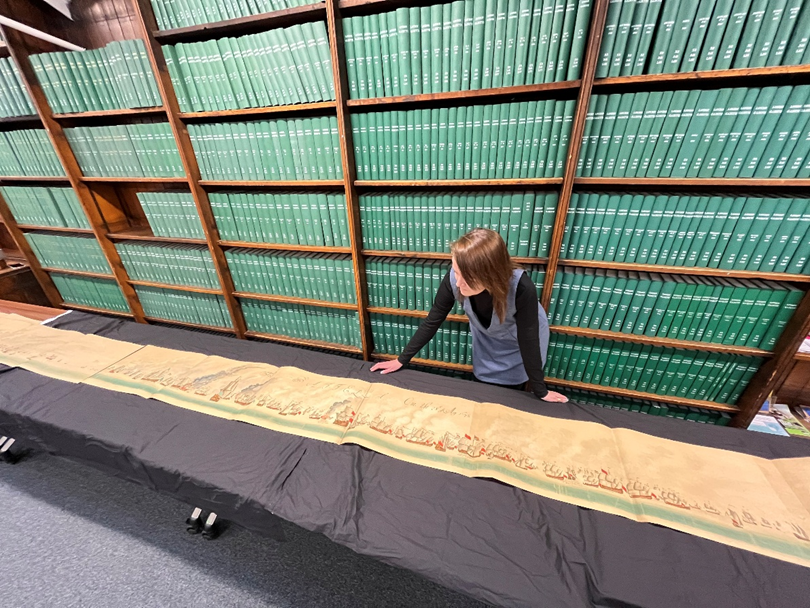
Since 1967, it has meant the library has looked after and cared for the collection, ensuring it is accessible and usable for researchers. Some interesting parts of the collection include a 50 ft length illustrated account of the battles of Solebay and Texel which took place in the 1670s. There are also diaries and journals from people experiencing war, as well as world atlases and general military history. The collection can be found searching the catalogue, here.
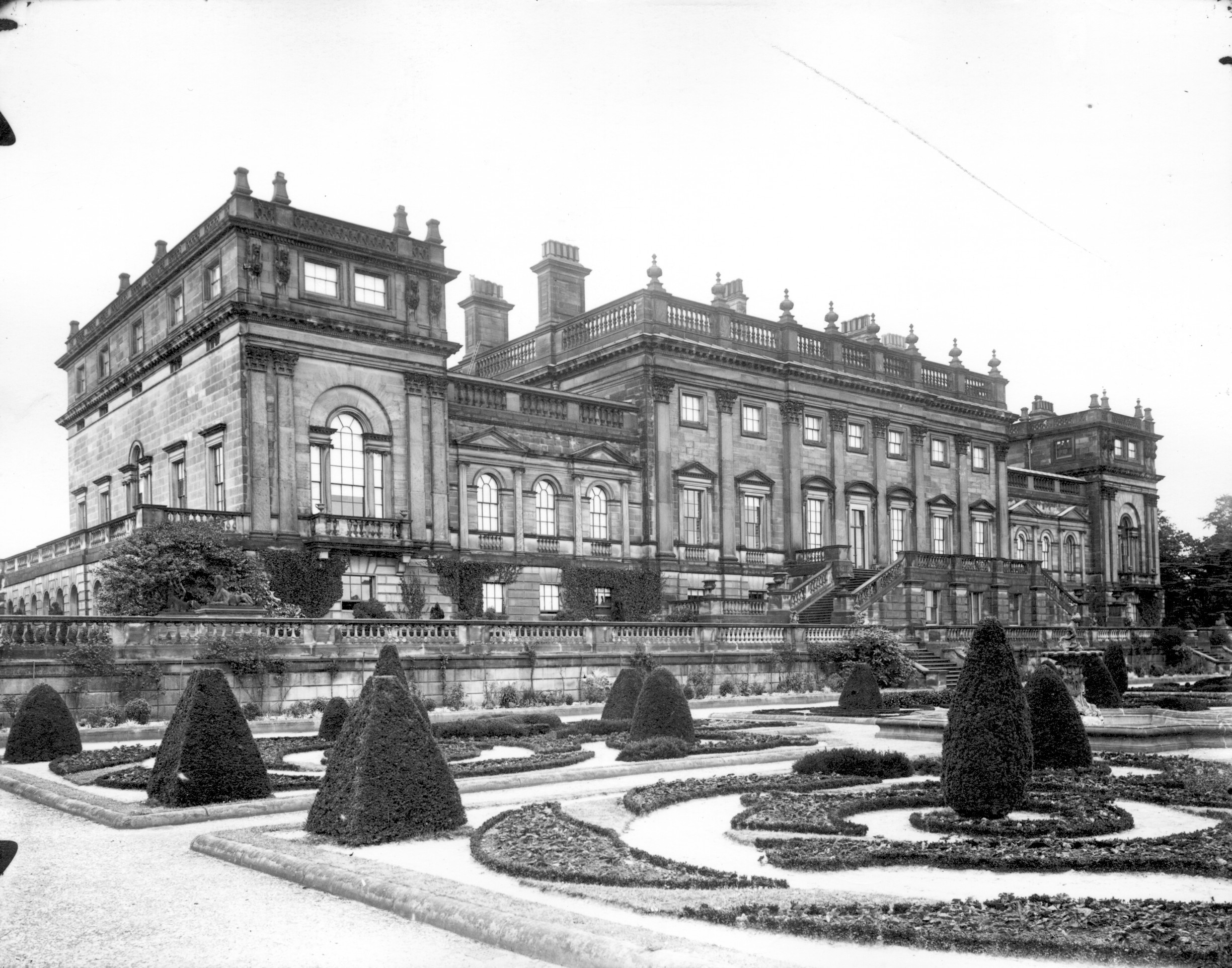
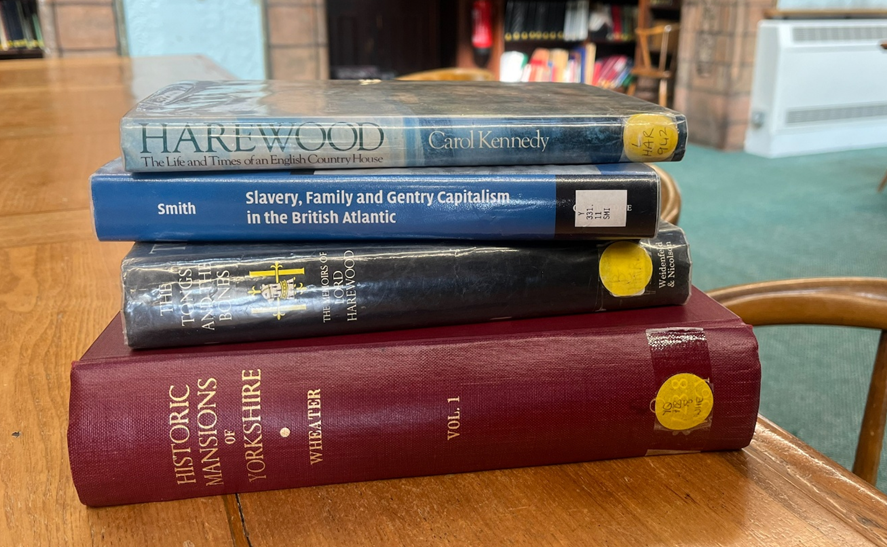
The library contains information about Harewood House and the Lascelles family, who built Harewood’s current structure in 1759. The catalogue contains a book titled ‘The tongs and the bones: the memoirs of Lord Harewood’, which accounts the life of George Lascelles. In the book, he writes about his upbringing and anecdotes of his grandmother, Queen Mary, as well as his time as a prisoner in Colditz during WW2. Another biographical account includes the writing of John Jewell, who wrote the first guidebook of the house in 1819 and lived there as a servant. The Lascelles family were heavily involved in the trans-Atlantic slave trade and many books refer to this, such as Slavery, family, and gentry capitalism in the British Atlantic: the world of the Lascelles, 1648-1834.
The Local and Family History department also contain maps and estate records, showcasing these buildings in their environment and how they changed over time. These documents highlight the historic houses in the city of which have been lost, such as Seacroft Hall, which was demolished in 1953.
Beyond the city of Leeds, there are many historic mansions in Yorkshire, of which the library holds multiple copies of guidebooks and ephemera. Some notable mentions outside the city of include houses such as Nostell Priory, East Riddleston Hall and Newby Hall, all of which are open to the public.