Today we’re welcoming back Andy Armstrong who has been doing invaluable ongoing work to trawl through Leeds City Council historical papers to find some hidden gems…
Hi. My name’s Andy Armstrong and I have taken on the task of sifting through 200 years of Leeds CC papers held by the library to bring some structure to them and to produce research guides on subjects such as transport and housing.
Leisure includes many activities such as attending art and music events, but this research guide focuses on recreation as other activities are covered elsewhere.
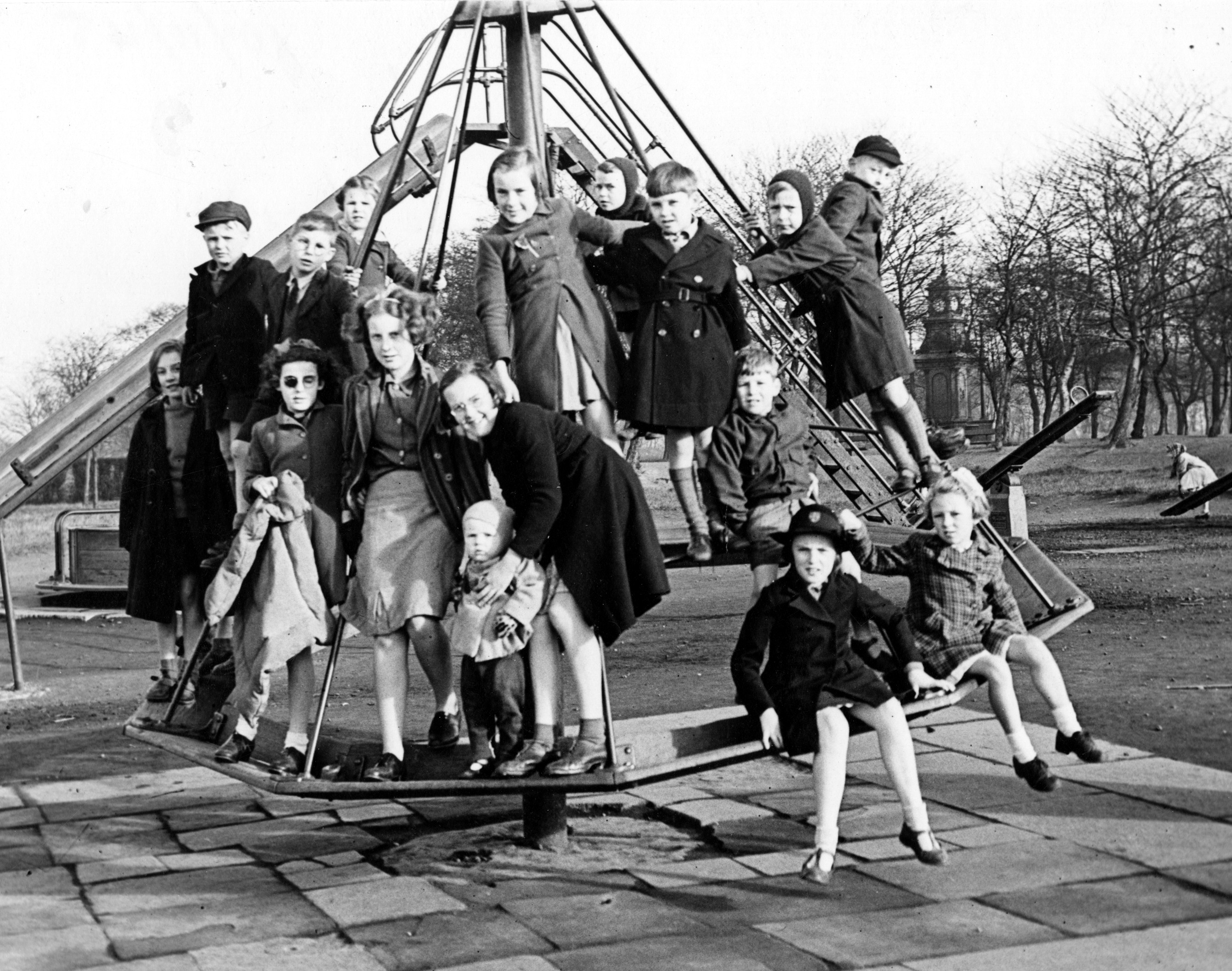
Leeds Corporation, the precursor to the City Council, was reformed in 1835. The Corporation had few powers to affect the development of Leeds, and little money with which to deal with the booming metropolis. But as the century moved on, the Corporation was able to use its new powers and funding to improve the health of its citizens. Recreational activities were soon developed to encourage the population. Parks and swimming baths were the main focus.
Woodside Moor was designated a place for public use or recreation, under the Leeds Improvement Amendment Act 1856. Early on, bye-laws were introduced to manage the behaviour of the locals. Apart from keeping out the wrong sort of people – eg. beggars, rogues and vagabonds – certain activities were also banned. One such was the game of knor and spell. The knor (or knurr) was a small ball and the spell was a stick to hit the knor as far as possible. The game originated on the Yorkshire Moors.
The Corporation became very active in purchasing land for recreational purposes. In 1886, new purchases included: Wortley Ground, Farnley, Ivy House Estate, York Road and the Old Cattle Market Estate in North Street. And in 1898, recreation grounds acquired included: Dunn’s Fields, Chapel Allerton, Nippet Lane and Burmantofts (for use as public open space).
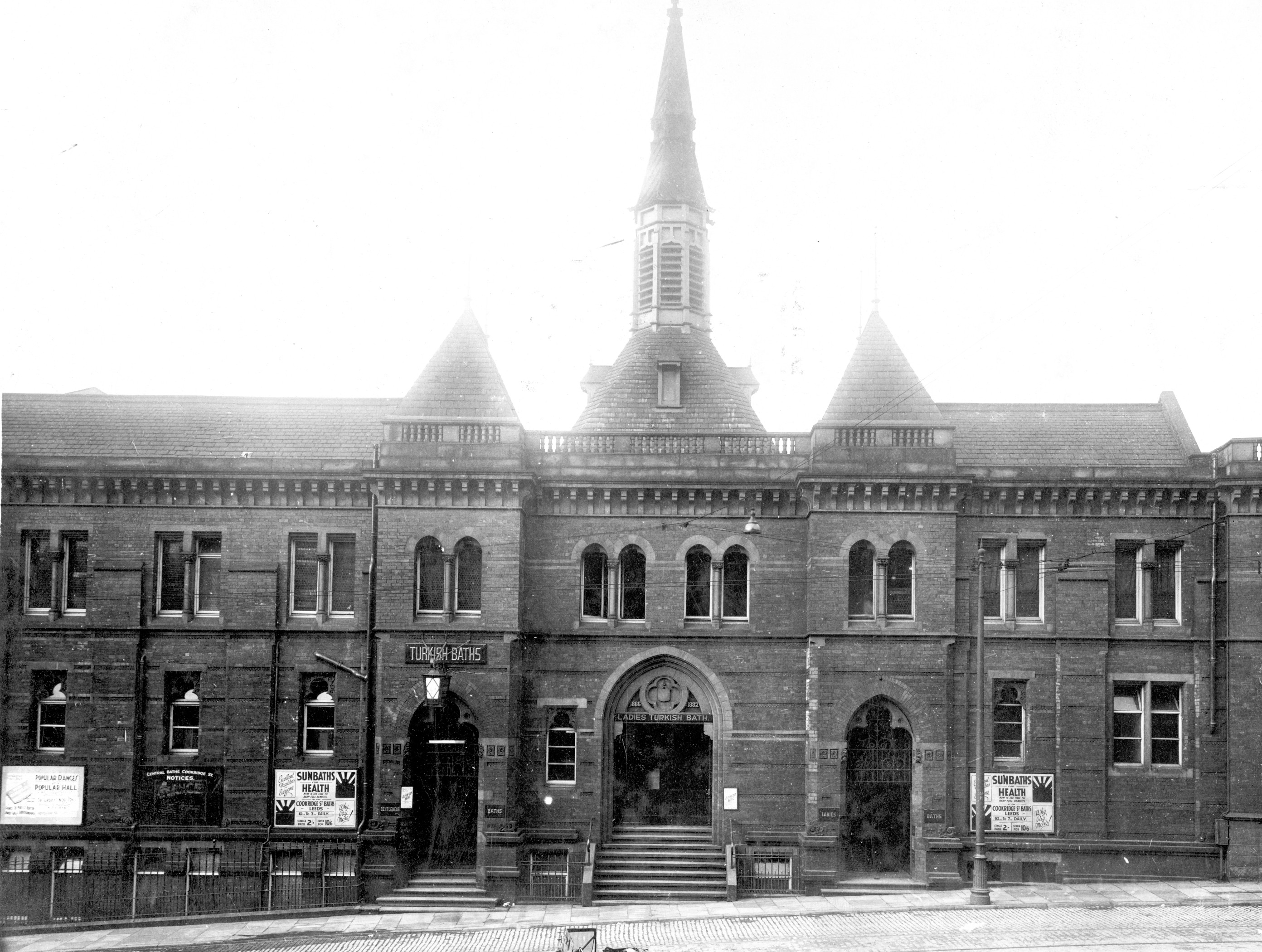
The Cookridge Street Public Baths were the first in Leeds and included swimming baths. The Council applied to purchase the Cookridge Street Baths for £18,000 (£3m in today’s money) in 1898, with an extra £5,000 set aside for improvements. At this point, the Council owned swimming baths at Kirkstall Road and Union Street, but were in the process of building baths at Meanwood Road and Joseph Street Hunslet. The Council passed a resolution providing free bathing for all Elementary pupils when accompanied by a teacher. In the next 2 years (to 1900), swimming bath attendance had risen from 187k to 343k.
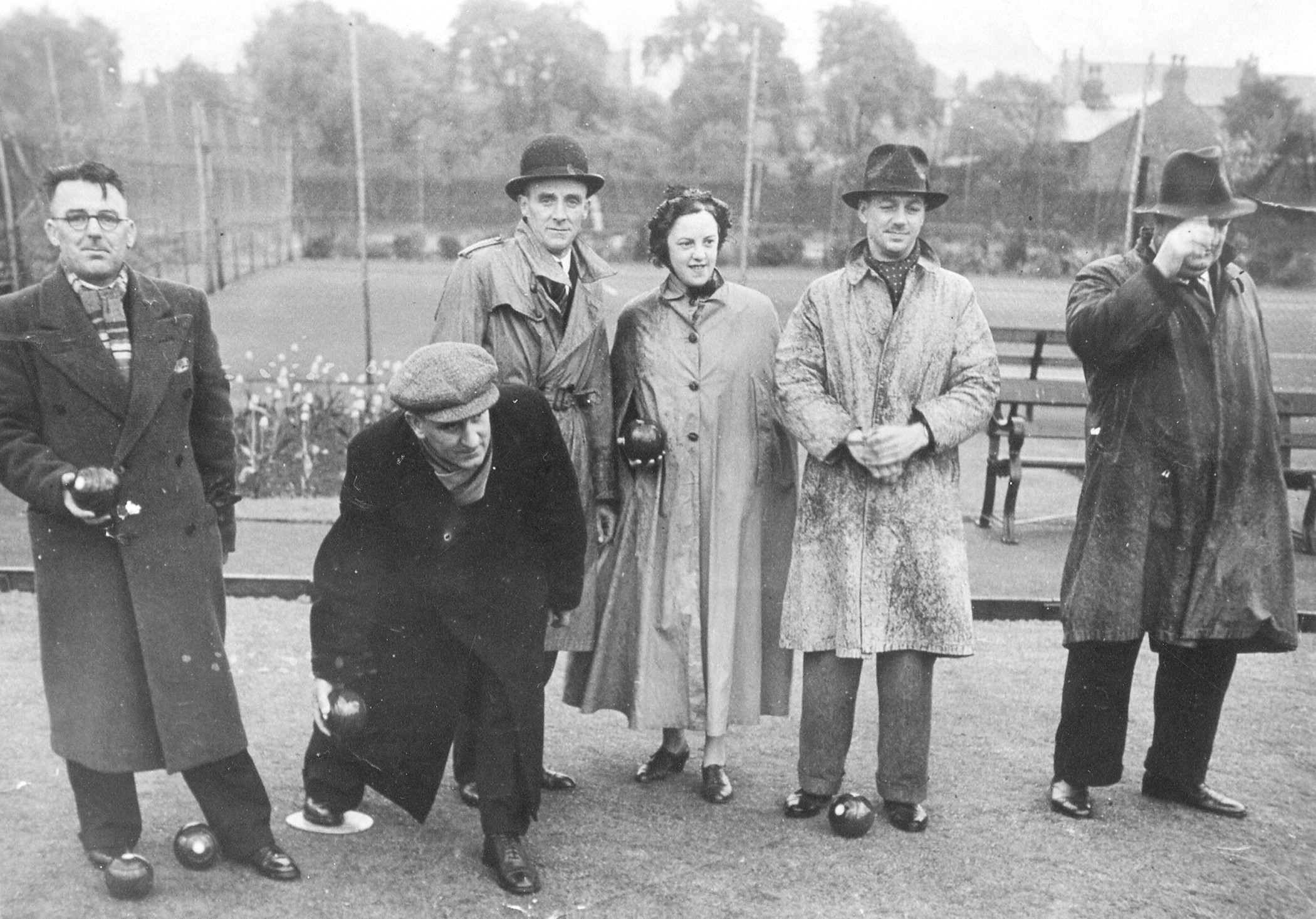
In the 20th Century, Parks, Pleasure Grounds and open spaces remained the focus of Corporation activity alongside swimming pools. By 1943, the number of parks and recreation grounds totalled 94, with 285 employed in maintenance and supervision. But specific sporting facilities were becoming common. By 1953, facilities included: 24 venues for tennis courts, 4 golf courses, 25 bowling greens, 8 putting greens, 22 senior sports pitches (for cricket, football and hockey), 42 junior football pitches (3/- per match – that was 15p which would be £5 in today’s money) and 5 Feast sites. The numbers employed had risen to 576, of which 14% were disabled persons.
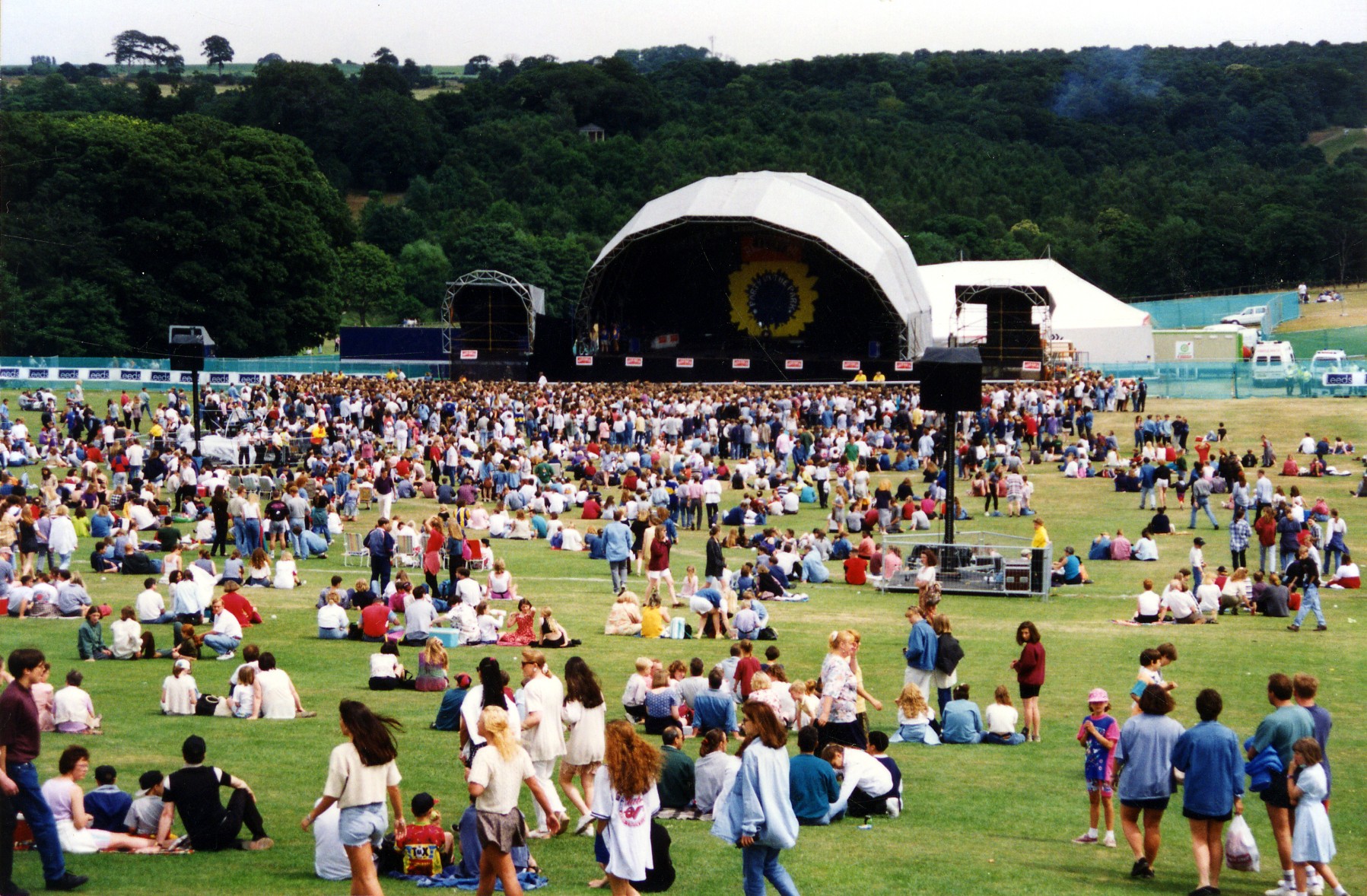
By the 1990s, the Council was producing a 150 page list of all events across the parks in Leeds. These ranged from over 60 events at Temple Newsam to 2 at Horsforth Hall Park. These were mostly galas, funfairs and runs.
Today there are 15 Leisure Centres across Leeds with 9 major parks and a further 65 community parks.
Andy’s accompanying research guide and accompanying information to LCC papers on Leisure can be found here

