This week we hear from guest writer, Jacqui Taylor, who has been researching Harewood House.
Harewood House is an 18th century Georgian country house well known for its Chippendale furniture, extensive art collection, and beautiful landscaped gardens. It is located seven miles north of Leeds city centre, adjacent to the village of Harewood.
While compiling a library research guide to Leeds 17 (which includes Harewood), I was excited to come across The Tourist’s Companion on the History and Antiquities of Harewood by John Jewell. Published in 1819, it is the first guidebook to Harewood house, estate, and village. It has historical and topographical descriptions, illustrations and includes poetry by Jewell himself. In the Local and Family History department at Leeds Central Library, we have reference copies of both the first and second editions of the guide.
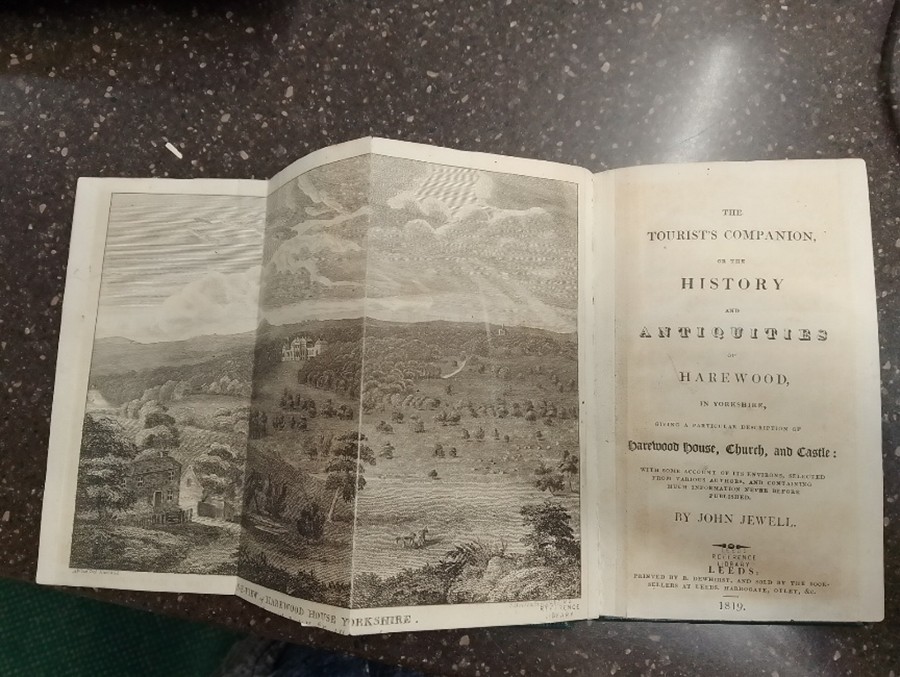
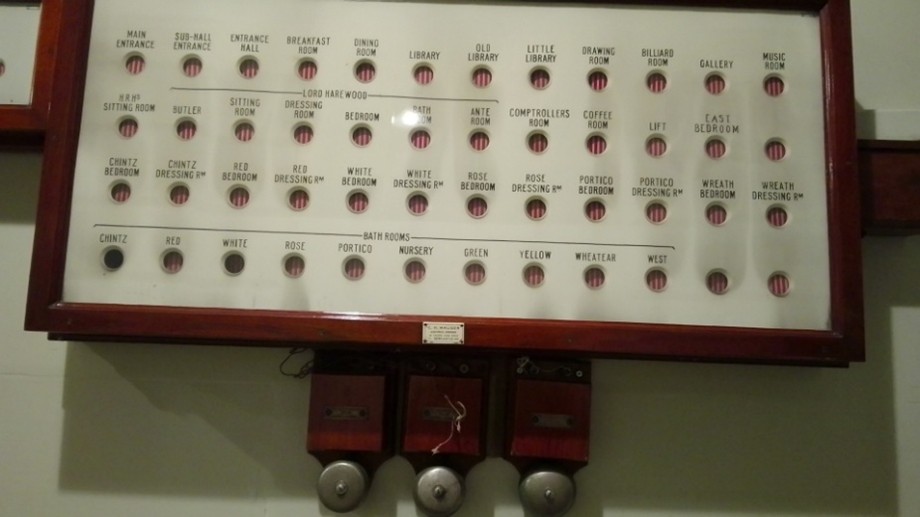
I was particularly intrigued to learn that Jewell was employed at Harewood House as a porter between 1795 and 1822. Harewood’s online database of servants has details of Jewell’s employment at the house, for example that his wage was £25 per annum, that his son’s music lessons were paid for and that he received an annual gratuity of £5.
Being employed at the house would have given Jewell rare insider knowledge and access to the estate. In the book’s introduction he reveals “this work was not originally intended for publication but was merely the amusement of leisure hours, but through persuasion I scarcely know how to resist; I now offer it to the public, solely from a hope of its being found, in some degree, useful.”
At the time country estates were not routinely open to the public, apart from a select few. Harewood was “open to the public every Saturday, from eleven o’clock in the morning until four o’clock in the afternoon…. Obliging permission, the nobility and gentry who frequent Harrogate, avail themselves much, the short distance forming a most agreeable excursion.” Jewell’s book would have been a useful guide for these visitors and an aid for himself and other household staff who conducted tours of the house.
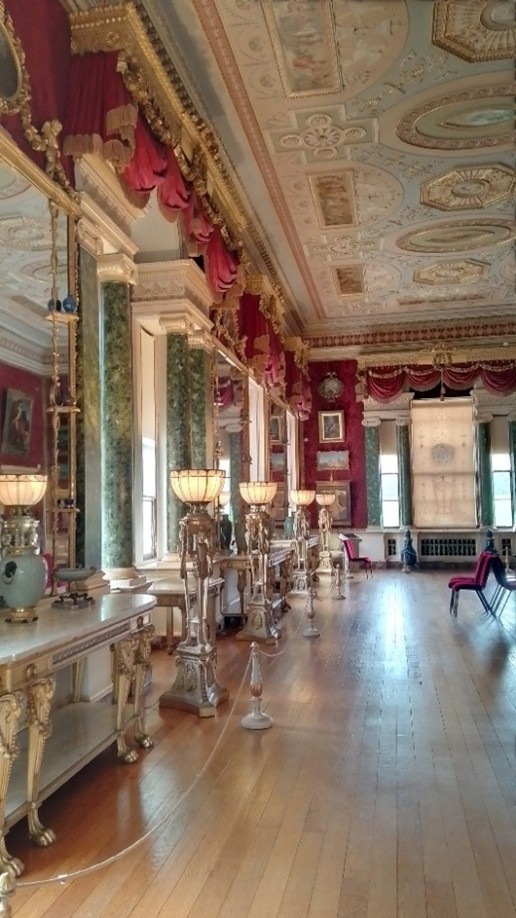
Writing about the “magnificent and princely residence” Jewell provides in-depth detail about both the exterior and interior of the house. The gallery, for example, is described: “This room extends over the whole west end of the house, and is seventy-six feet six inches, by twenty-four feet three inches, twenty-one feet three inches high; it is truly elegant, and presents such a show of magnificence and art, as eye hath seldom seen.” There is also extensive description about Harewood’s furnishings and artworks.
The guide provides a fascinating snapshot of local life “The population of Harewood… in March 1818 was 854 and the inhabitants are principally composed of farmers, shopkeepers, artisans and labourers; the latter of who are constantly employed by the Earl of Harewood.”
There are some interesting details about local services, such as the Telegraph coach which passed through about 6am on its way from Leeds to Sunderland (returning the same evening about 7pm on its way to Leeds) and the post which comes every morning about three o’clock. The Harewood Arms, nowadays run by Samuel Smith Brewery, is described as “nearly new” (it opened in 1810) with “good post-chaise, able horses, and careful drivers.” Uber is perhaps the modern-day equivalent!
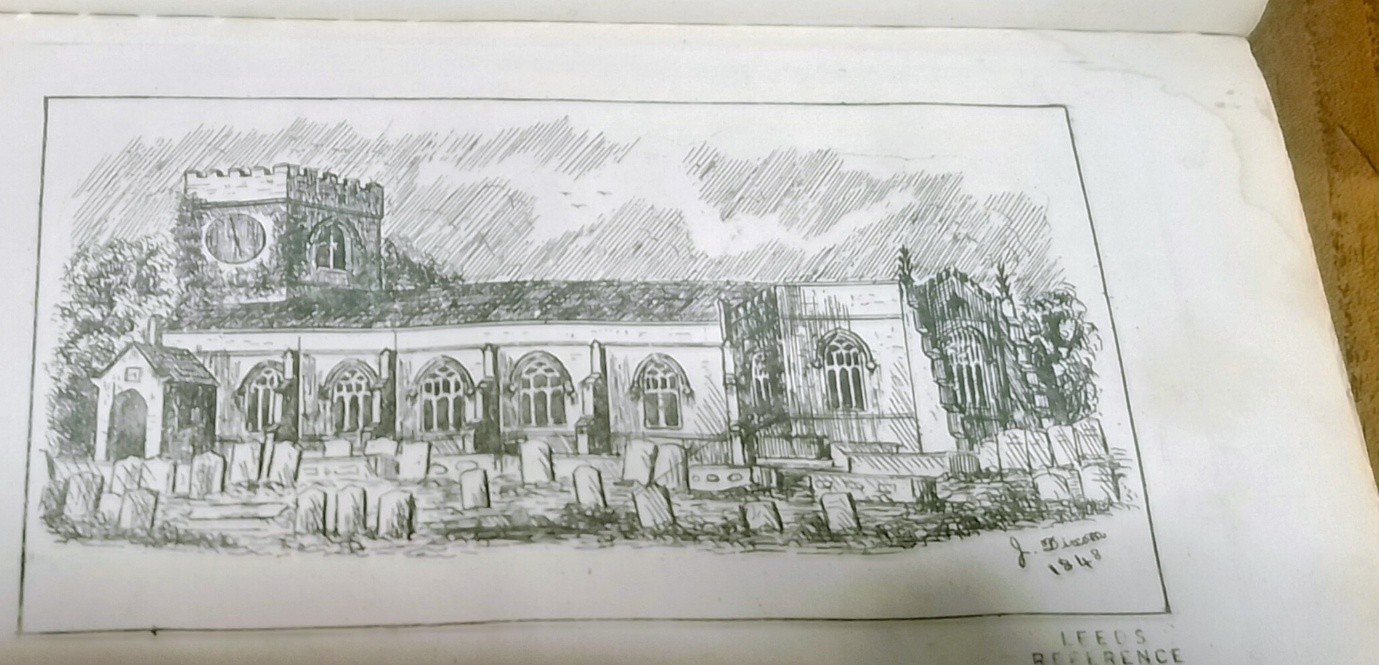
These days Harewood House (upstairs and downstairs) is open to the public for much of the year -admission prices apply. John Jewell’s guide remains a significant historical source for researchers. He and his wife Hannah are buried in the churchyard of All Saint’s Church (grave 321) within the grounds of Harewood estate.